

For enthusiasts who treasure vintage vehicles, the prospect of enhancing a cherished classic can be as thrilling as the restoration process itself. Whether it is a subtle cosmetic refresh or a comprehensive mechanical overhaul, modifications breathe new life into automobiles that have stood the test of time. However, alongside the joy of reviving these iconic machines comes a critical responsibility: ensuring adequate protection through specialist cover that reflects the unique nature of your enhanced investment. Understanding the intricacies of modified classic car insurance is not merely a formality—it is an essential step in safeguarding both your financial commitment and the legacy of your prized collection.
Understanding insurance requirements for modified classic vehicles
When a collector decides to modify a vintage vehicle, the standard approach to securing protection undergoes a significant transformation. Unlike everyday automobiles that depreciate steadily, classic cars often appreciate in value, especially when enhancements are thoughtfully applied. This fundamental difference underscores the importance of engaging with a specialist broker who understands the nuances of agreed value cover. Heritage Car Insurance, for instance, has been serving enthusiasts for six decades, offering tailored solutions that prioritise the unique needs of vintage automobiles rather than treating them as mere depreciated assets. Their approach includes providing agreed value cover at no additional charge, ensuring that collectors receive fair compensation reflective of the true worth of their enhanced model.
How modifications affect your classic car insurance contract
Any alteration to a classic vehicle, regardless of its scale, can influence the terms and conditions of your insurance contract. Insurers assess modifications based on their potential impact on risk, valuation, and the overall character of the automobile. For example, a respray in an original colour may be viewed differently from a modern ECU remapping or the installation of advanced halogen headlights. These enhancements, while improving functionality or aesthetics, require full disclosure to your insurer to ensure continued compliance with policy terms. Failure to declare modifications can result in claims being denied or coverage being invalidated, leaving the driver exposed to significant financial loss. Specialist brokers recognise that enthusiasts often seek to improve their vehicles without compromising originality, and they tailor policies accordingly. This personalised approach contrasts sharply with generic comparison sites, which rarely account for the complexities inherent in modified vintage automobiles.
The difference between standard auto insurance and specialist collection vehicle cover
The distinction between conventional auto insurance and specialist cover for collectible vehicles cannot be overstated. Standard policies are designed for automobiles used daily, subjected to routine wear and tear, and expected to depreciate. In contrast, classic car insurance recognises that these vehicles are typically driven sparingly, stored securely, and maintained meticulously by their owners. Heritage Car Insurance, for example, offers comprehensive cover that includes protection against accidental damage, third-party claims, theft, fire, natural disasters, and windscreen damage, all underpinned by agreed value guarantees. Additionally, they provide laid-up cover for vehicles registered under SORN, ensuring that even when your classic is off the road, it remains protected. Optional add-ons such as breakdown cover, motor legal cover, and excess protect further enhance the level of assistance available, creating a bespoke package that reflects the specific needs of collectors. Discounts for low mileage, car club membership, and secure storage further reduce contributions, making specialist cover not only more appropriate but often more affordable than standard insurance.
Types of Modifications That Impact Your Insurance Premium and Guarantees
Understanding which modifications carry the greatest influence on your insurance premium and guarantees is crucial for making informed decisions about enhancements. Insurers categorise modifications broadly into cosmetic and mechanical changes, each carrying distinct implications for risk and valuation. While a subtle cosmetic update may have minimal impact, significant mechanical alterations can necessitate a comprehensive reassessment of your policy. Transparent communication with your insurer ensures that your cover remains valid and that any claim is settled promptly and fairly.
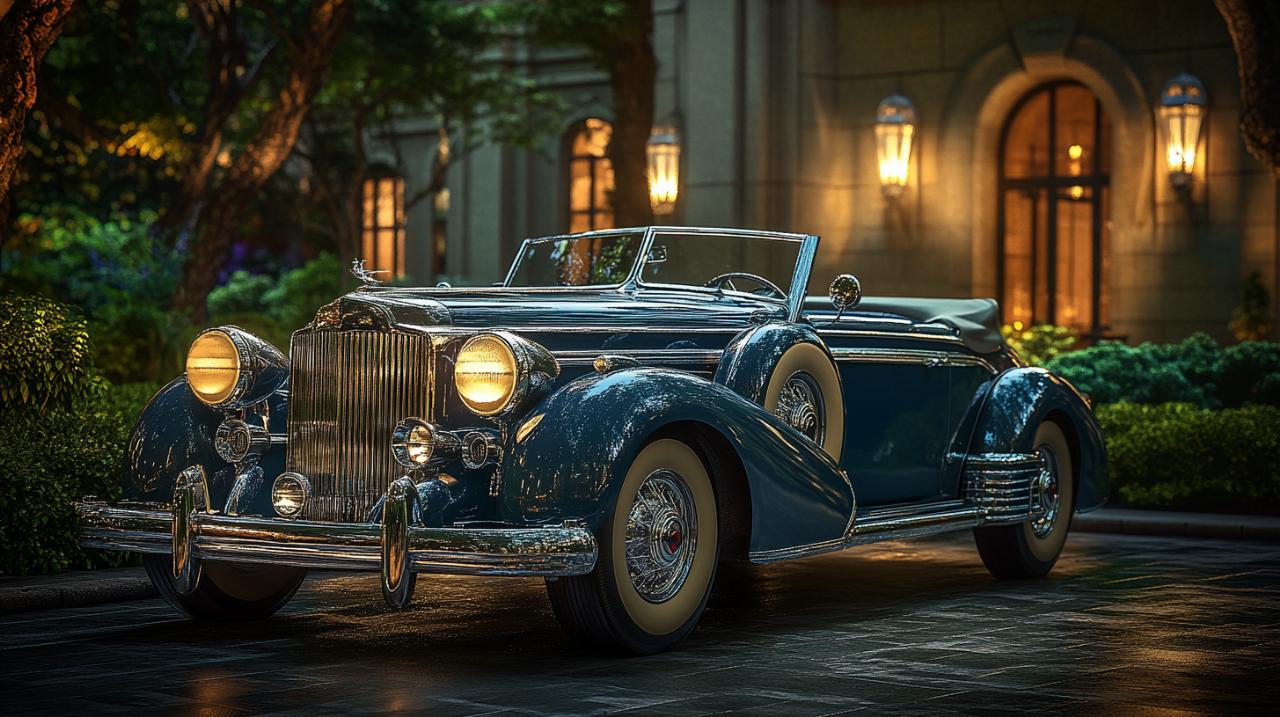
Engine Upgrades and Performance Enhancements: What Your Insurer Needs to Know
Engine modifications and performance enhancements represent some of the most impactful changes a collector can make to a vintage vehicle. These alterations, which may include ECU remapping for newer classics, upgraded fuel systems, or even complete engine swaps, fundamentally alter the character and capability of the automobile. Insurers require detailed documentation of such enhancements because they directly affect the vehicle's power, speed, and consequently, the risk profile. A classic car that has been fitted with a more powerful engine may attract higher premiums due to the increased potential for speed-related incidents. However, specialist insurers often appreciate that enthusiasts invest in these improvements to enhance reliability and driving experience, not to engage in reckless behaviour. Providing professional appraisals and detailed records of all work completed can reassure insurers of the quality and safety of the modifications, potentially mitigating premium increases. It is also worth noting that certain safety modifications, such as upgrading headlights to halogen or HID units or adding power steering, can improve driver control and visibility, which some insurers view favourably.
Cosmetic Changes Versus Mechanical Alterations: Understanding the Formula for Your Contribution
Cosmetic modifications, while less likely to significantly alter risk, still warrant disclosure to your insurer. A respray in a non-original colour, for example, can affect the vehicle's collectible value and may influence the agreed value determined by your policy. Some insurers distinguish between changes that preserve originality and those that deviate from the factory specification, with the former typically having a neutral or positive impact on premiums. Mechanical alterations, on the other hand, require more scrutiny. The addition of modern braking systems, suspension upgrades, or even retrofitted electrical components can improve safety and performance, but they must be declared to ensure accurate coverage. The formula used by insurers to calculate contributions considers factors such as vehicle rarity, storage conditions, annual mileage, and the nature of modifications. Classic car insurance can range from two hundred to six hundred pounds annually for vehicles valued between ten thousand and twenty-five thousand pounds, but high-value or extensively modified automobiles may attract premiums exceeding one thousand pounds. Specialist insurers often offer multi-car policies, allowing collectors to insure several vehicles at a discounted rate, saving up to twenty-five percent. This approach not only reduces costs but also simplifies the administration of cover across a collection.
Making a Claim on Your Modified Classic: Assistance and Documentation Requirements
When the unfortunate occurs and a claim becomes necessary, the quality of your documentation and the responsiveness of your insurer's assistance team become paramount. Modified classics require careful handling during the claims process, as their unique nature demands specialist knowledge and attention to detail. Ensuring that you have comprehensive records and understand the claims procedure can significantly expedite resolution and minimise inconvenience.
Essential records every driver should maintain for their enhanced model
Maintaining meticulous records is a cornerstone of responsible classic car ownership, particularly when modifications have been made. Collectors should keep detailed documentation of all enhancements, including invoices, receipts, photographs, and professional appraisals. These records serve as evidence of the vehicle's true value and the quality of work undertaken, which is critical when establishing agreed value cover. Insurers require professional appraisals to be updated every two to three years to reflect market conditions and any additional enhancements. Photographs taken at various stages of restoration or modification can also prove invaluable, providing visual proof of the vehicle's condition and the work completed. Additionally, service records, detailing regular maintenance and the use of genuine or specialist parts, demonstrate the owner's commitment to preserving the vehicle's integrity. Secure, climate-controlled storage not only protects the vehicle but also reduces insurance risks and costs, as insurers favour vehicles kept in controlled environments. By maintaining comprehensive records, collectors not only facilitate smoother claims processes but also enhance their credibility with insurers, potentially securing more favourable policy terms.
Navigating Damage Assessments and the Claims Process for Modified Vintage Cars and Motorcycles
When damage occurs, whether through collision, theft, or natural disaster, the claims process for a modified classic differs markedly from that of a standard automobile. Specialist insurers employ assessors with expertise in vintage vehicles, ensuring that repairs are conducted by professionals who understand the unique requirements of these machines. Comprehensive cover, as offered by Heritage Car Insurance and similar providers, includes protection against accidental damage, third-party claims, theft, fire, and natural disasters, all supported by agreed value guarantees. This means that in the event of a total loss, the insurer pays the pre-agreed value rather than a depreciated market rate. During the assessment, the insurer will review the documentation you have provided, including appraisals, photographs, and receipts for modifications. Transparency during this stage is vital, as any undeclared enhancements can complicate or invalidate claims. Optional add-ons such as breakdown cover and motor legal cover provide additional assistance, ensuring that help is available when needed most. In twenty twenty-four, Heritage Car Insurance reported that ninety-six point seven percent of their customers rated them four or five stars, reflecting their commitment to excellent customer service and efficient claims handling. For collectors with motorcycles or multiple vehicles, multi-car insurance policies streamline the process, consolidating cover under a single agreement and simplifying claims administration. By choosing a specialist insurer with a proven track record, collectors can navigate the claims process with confidence, knowing that their enhanced vintage vehicle is in capable hands.