

Morocco has emerged as a compelling destination for property investors seeking unique opportunities beyond traditional European markets. The combination of rich cultural heritage, stunning natural landscapes, and a burgeoning tourism sector creates a dynamic environment for those looking to diversify their portfolios. From the bustling medinas of Marrakech to the sweeping dunes of the Sahara, the Kingdom offers a variety of investment options that cater to different budgets and strategic goals. Understanding the nuances of this market is essential for making informed decisions that align with long-term financial objectives.
Navigating Morocco's Property Market: What Every Investor Needs to Know Before Making a Purchase
Entering the Moroccan real estate arena requires a solid grasp of the legal and financial frameworks that govern property transactions. The country has positioned itself as an attractive hub for international buyers, particularly those from Europe, thanks to relatively straightforward regulations and a welcoming stance towards foreign ownership. Residential properties in urban settings are generally accessible to overseas purchasers without significant restrictions, allowing full ownership rights. However, agricultural land and certain protected zones may require special permits or remain off-limits to non-nationals. Engaging with a reputable notary is crucial, as these professionals verify land titles and ensure compliance with zoning and environmental regulations. This step safeguards against potential disputes and confirms that the property is free from encumbrances.
Understanding Title Deeds and Legal Frameworks for Foreign Buyers
The title deed system in Morocco is designed to provide transparency and security for all parties involved in a transaction. Properties must be registered with the relevant authorities, and the notary plays a pivotal role in authenticating documentation and overseeing the transfer process. Foreign investors should be aware that while urban residential properties are open to them, certain categories of land remain restricted. It is advisable to conduct thorough due diligence, including a comprehensive title search, to confirm that the seller has legitimate ownership and that there are no outstanding claims or debts attached to the property. Legal advisors familiar with Moroccan law can offer invaluable guidance, ensuring that the purchase complies with local statutes and that all contractual obligations are clearly defined.
Price trends across moroccan cities: where your euros go furthest
Property prices vary considerably depending on location and the type of asset being considered. Casablanca, as the economic powerhouse of the country, tends to command higher prices, with prime villa zones averaging around twenty thousand five hundred Moroccan dirhams per square metre. Marrakech, renowned for its vibrant tourism industry, offers a different value proposition, with residential properties showing steady appreciation and average gross rental yields around eight point two five percent. Rabat, the capital, has witnessed rising apartment prices, particularly in sought-after neighbourhoods such as Hay Riad, where values have climbed to approximately fourteen thousand five hundred dirhams per square metre. In contrast, desert regions like Merzouga and Zagora present more affordable entry points, with significantly lower price tags that appeal to investors targeting niche markets such as eco-lodges and luxury desert camps. Understanding these regional variations enables buyers to identify opportunities that match their investment strategy and risk appetite.
Marrakech Versus Coastal Retreats: Choosing Between Houses and Apartments for Maximum Rental Returns
The decision between acquiring a house or an apartment hinges on several factors, including target rental demographics, maintenance commitments, and capital appreciation potential. Marrakech stands out as a magnet for tourists seeking an authentic Moroccan experience, with its historic riads and contemporary developments catering to diverse tastes. The city's proximity to natural attractions such as the Ourika Valley and the Atlas Mountains enhances its appeal, offering investors the chance to tap into both urban and rural tourism markets. Coastal destinations like Agadir and Essaouira provide a different allure, drawing visitors who prioritise beach access and water sports. Evaluating the seasonal patterns of each location is essential, as rental income can fluctuate significantly depending on the time of year and the property's positioning within the market.
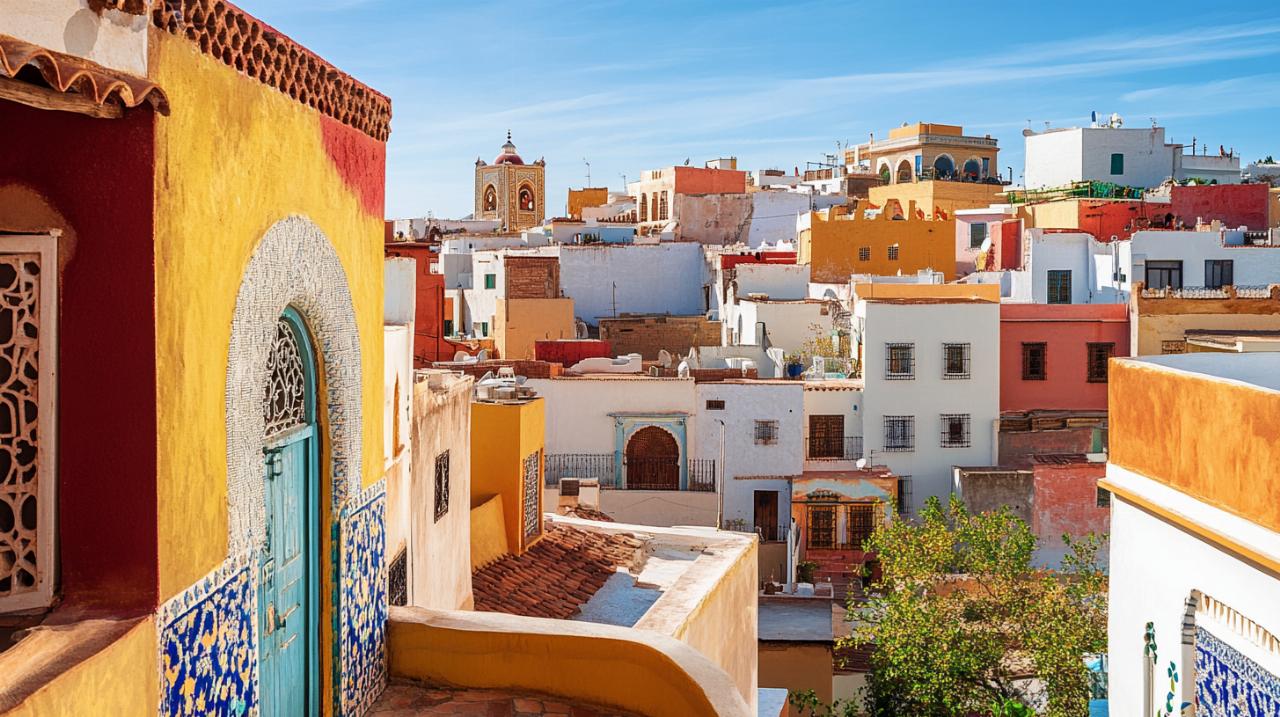
The Appeal of Traditional Riads and Modern Flats in Morocco's Red City
Marrakech is often described as the jewel of Moroccan real estate, offering a blend of traditional architecture and modern amenities. Riads, with their iconic courtyards and intricate tilework, attract high-net-worth individuals seeking exclusive experiences and cultural immersion. These properties can command premium rental rates, particularly when renovated to contemporary standards while preserving their historical charm. On the other hand, modern flats and apartments appeal to a broader audience, including young professionals and expatriates who value convenience and accessibility. One-bedroom units have demonstrated strong performance in the rental market, achieving yields that can exceed eight percent in high-demand areas. The diversity of property types allows investors to tailor their portfolios to specific market segments, whether targeting luxury travellers or budget-conscious holidaymakers.
Seasonal letting potential: capitalising on peak tourist months
Tourism in Morocco exhibits distinct seasonal patterns, with peak periods typically coinciding with European holidays and favourable weather conditions. Marrakech experiences heightened visitor numbers during spring and autumn, when temperatures are moderate and cultural festivals attract international audiences. Coastal areas see a surge in demand during summer months, as families flock to the beaches for sun and relaxation. Understanding these cycles is vital for optimising occupancy rates and maximising rental income. Properties that offer unique experiences, such as desert excursions or wellness retreats, can maintain interest throughout the year, mitigating the impact of off-peak periods. Developing contingency strategies for quieter months, such as offering discounted rates or partnering with event organisers, helps sustain cash flow and enhances overall investment returns.
The french connection: why france's influence shapes the moroccan real estate investment landscape
The historical and cultural ties between France and Morocco have left an indelible mark on the latter's property market. French nationals constitute a significant portion of foreign buyers, drawn by linguistic familiarity, geographical proximity, and a shared appreciation for Mediterranean lifestyles. This demographic's purchasing power and preferences have influenced development patterns, with many projects incorporating design elements and amenities that resonate with European sensibilities. The presence of French investors has also contributed to price dynamics, particularly in cities like Marrakech and Casablanca, where demand for high-quality residential and commercial spaces remains robust. Understanding this cross-border relationship provides valuable context for anticipating market trends and positioning investments to attract this influential buyer segment.
French Buyers and Their Impact on Sale Prices in Popular Moroccan Regions
French investors have been instrumental in driving up property values in certain Moroccan locales, particularly those with strong tourism infrastructure and cultural appeal. Marrakech, with its blend of heritage and modernity, has seen sustained interest from French buyers seeking holiday homes or rental investments. This demand has exerted upward pressure on sale prices, particularly for properties in prime locations such as the Medina and the Palmeraie. Developers have responded by creating projects tailored to French tastes, incorporating features like contemporary kitchens, spacious terraces, and secure parking. The willingness of French purchasers to pay premium prices for quality and location has set benchmarks that influence broader market valuations, underscoring the importance of understanding buyer demographics when evaluating investment opportunities.
Cross-border investment: how proximity to france benefits your portfolio
Morocco's geographical proximity to France enhances its attractiveness as an investment destination, offering convenient access for European travellers and facilitating cross-border business activities. The country's strategic location at the gateway to Africa, combined with its well-developed transport links, makes it an ideal base for investors seeking to diversify beyond their domestic markets. Properties in Morocco can serve dual purposes, providing rental income during peak tourist seasons and personal retreats for owners seeking a Mediterranean climate and vibrant culture. The ease of travel between the two nations, supported by frequent flights and ferry services, further strengthens the investment case, enabling hands-on property management and fostering deeper engagement with local markets. This connectivity, coupled with Morocco's stable regulatory environment and government support for infrastructure development, positions the country as a compelling alternative to saturated European markets, offering both capital appreciation potential and attractive rental yields.