

Switching to solar energy has never been more attainable for homeowners and businesses across the United Kingdom. With escalating electricity bills and growing environmental awareness, many are turning their attention towards renewable energy solutions. However, the upfront cost of solar panel installation can often feel prohibitive. Thankfully, a range of finance solutions available today makes it possible to embrace clean energy without depleting your savings. Whether you are a homeowner in Reading or a business owner in Farnborough, understanding the financial pathways can help you make an informed decision and enjoy the benefits of solar power sooner rather than later.
Understanding Solar Panel Finance Options in the UK
Navigating the landscape of solar panel finance can initially seem daunting, but a variety of schemes have emerged to cater to different financial situations. From traditional loans to innovative payment structures, the options are designed to break down the barriers that prevent people from making the switch to renewable energy. The key is to explore what suits your circumstances best, ensuring that the transition to solar is both smooth and economically sound.
Types of Solar Loans and Payment Schemes Available
One of the most popular methods for funding solar installations is through solar loans. These are specifically designed for eco-friendly home improvements and can come in several forms. Green loans offered by banks and building societies often feature promotional interest rates, sometimes as low as zero percent, making them an attractive choice for those looking to spread the cost over several years. Additionally, some energy suppliers have entered the market with their own financing deals, typically offering competitive rates but often tied to specific equipment packages.
For those who prefer not to take out a loan, council-backed schemes present another viable option. These are usually characterised by lower interest rates and fixed repayment terms, providing additional consumer protections and peace of mind. It is essential to verify that any lender you consider is authorised by the Financial Conduct Authority, ensuring that your financial interests are safeguarded throughout the agreement.
Power Purchase Agreements represent a slightly different approach, where a third-party company installs and maintains the solar panels on your property at no upfront cost. In return, you purchase the electricity generated at a reduced rate, which can lead to immediate savings on your energy bills without the need for an initial investment. This model is particularly appealing for businesses looking to reduce operational costs without the burden of capital expenditure.
Another increasingly popular option is the lease-to-own model, which allows customers to pay for their solar system over time while enjoying the benefits of reduced energy costs from day one. At the end of the lease period, ownership of the system transfers to the customer, combining the advantages of financing with eventual full ownership.
Comparing interest rates and repayment terms
When evaluating solar finance solutions available, it is crucial to compare interest rates and repayment terms across different providers. Even a small difference in the annual percentage rate can significantly impact the total amount you repay over the life of the loan. Fixed-rate loans offer the security of knowing exactly what your monthly payments will be, protecting you from fluctuations in interest rates over time.
Repayment terms can vary widely, typically ranging from five to twenty-five years. Shorter terms mean higher monthly payments but less interest paid overall, while longer terms reduce monthly outgoings but increase the total interest cost. It is important to assess your financial situation carefully and choose a repayment schedule that aligns with your budget and long-term financial goals.
Some finance packages also include the option for deferred payments, allowing you to delay your first payment for several months. This can be particularly useful if you are awaiting a bonus, inheritance, or other expected income. However, it is vital to understand the terms and conditions associated with these schemes, as interest may still accrue during the deferral period.
Additionally, installers often partner with regulated credit brokers who can present a range of financing options tailored to your needs. This not only simplifies the application process but also ensures compliance with financial regulations, providing an extra layer of security and transparency.
Making solar installation more accessible without breaking the bank
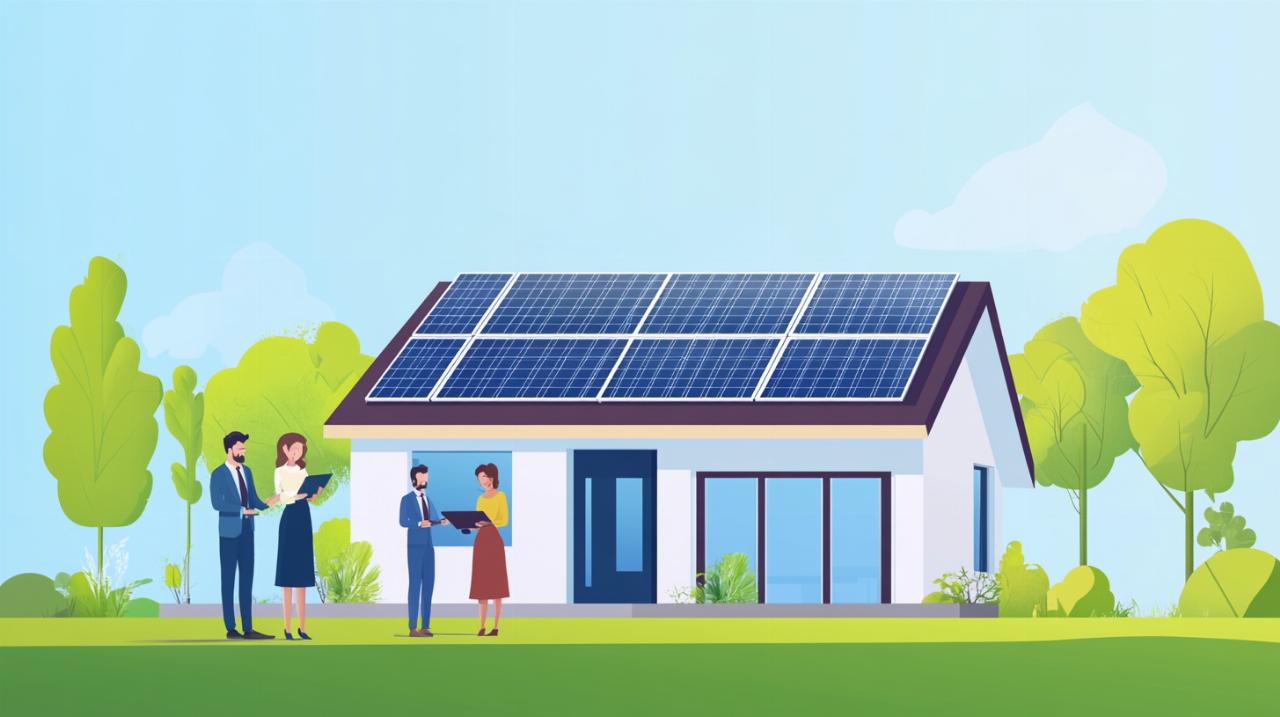
The financial barriers to solar installation are being steadily dismantled by a combination of government support, innovative financing structures, and a growing network of vetted installers. These initiatives are designed to ensure that the transition to renewable energy is not the preserve of the wealthy but is accessible to a broad cross-section of society. By taking advantage of these resources, you can significantly reduce the financial burden and accelerate your journey towards energy independence.
Government grants and green energy incentives
The UK government has introduced a range of grants and incentives aimed at encouraging the adoption of renewable energy technologies. One of the most significant recent changes is the reduction of VAT to zero percent on solar panel installations when supplied and installed as a bundle. This policy has made solar projects considerably more affordable, effectively reducing the overall cost by the amount that would have previously been paid in tax.
For businesses, the Industrial Energy Transformation Fund offers grants that can cover between thirty and sixty percent of the installation cost. This fund is designed to support energy-efficient upgrades in industrial settings, and its third phase is expected to launch in the coming months. Such grants can dramatically shorten the payback period, transforming a ten-year investment into one that pays for itself in as little as four to six years.
Local councils also provide grants and low-interest loans tailored to small businesses and homeowners, often with additional consumer protections and favorable repayment terms. These schemes are designed to complement national initiatives and can be particularly beneficial for those who may not qualify for larger government grants.
The Smart Export Guarantee is another key incentive, paying homeowners and businesses for surplus electricity they export back to the grid. This not only offsets installation costs over time but also provides a steady income stream that can be factored into financial planning. When combined with grants and tax reliefs, the financial case for solar becomes increasingly compelling.
Low-deposit solar finance packages for homeowners
For those who do not have the full amount available upfront, low-deposit finance packages offer a practical solution. Many installers now offer schemes where you can begin your solar journey with a minimal initial payment, spreading the remaining cost over a series of manageable monthly instalments. This approach is particularly suited to families or individuals who are confident in their future income but prefer not to deplete their savings immediately.
Remortgaging is another avenue worth exploring, especially for homeowners with significant equity in their property. While this extends the term of your mortgage, it often provides access to funds at a lower interest rate than traditional personal loans. This can make the monthly cost of solar installation more affordable, though it is important to weigh the long-term implications carefully.
Group-buying schemes have also gained traction in recent years, enabling communities to negotiate better prices by pooling their purchasing power. These schemes typically involve vetted installers and can simplify the process of comparing quotes, making it easier to find a reputable provider at a competitive price. Participation in such schemes can also foster a sense of community and shared commitment to environmental sustainability.
Some installers also provide deferred payment options, allowing you to install your solar system now and begin payments at a later date. This flexibility can be particularly advantageous if you are expecting a financial windfall or wish to align payments with the start of energy savings. However, it is essential to read the fine print and understand any interest that may accrue during the deferral period.
Ultimately, the availability of diverse finance solutions available ensures that transitioning to solar energy is within reach for a wide range of budgets and financial circumstances. By carefully comparing options, seeking out grants and incentives, and choosing a repayment plan that suits your needs, you can enjoy the benefits of clean, affordable energy without compromising your financial stability.