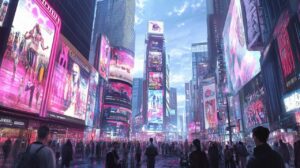

As the worlds of fashion and technology increasingly intertwine, a new generation of global destinations has emerged where style meets innovation in the most unexpected ways. From historic fashion capitals reinventing themselves with digital experiences to rising stars on the international scene, these cities offer travellers and enthusiasts alike the chance to witness how design is being reimagined for tomorrow. Whether you seek the refined elegance of traditional haute couture or the boundary-pushing creativity of tech-infused garments, these vibrant hubs promise unforgettable journeys into the future of personal expression.
Premier destinations for cutting-edge fashion innovation
The landscape of fashion destinations continues to evolve, with certain cities maintaining their status as fashion capitals while others rapidly ascend the ranks. London stands proudly as the top global city for fashion travel, having achieved a remarkable score that reflects its unique blend of classic British tailoring and rebellious punk spirit. The city hosts fashion weeks in February and September, drawing designers and enthusiasts from around the world. Names such as Vivienne Westwood and Alexander McQueen have become synonymous with the British capital's ability to honour tradition whilst fearlessly challenging conventions. With over 158,200 people worldwide searching for city breaks focused on fashion in recent months, it is clear that the appetite for style-driven travel remains robust.
Paris continues to reign as the undisputed heart of haute couture, offering visitors a journey through both fashion history and future trends. The French capital hosts its prestigious fashion week at the end of September, showcasing the timeless elegance of houses like Chanel and Hermès alongside emerging designers who explore the latest trends with daring innovation. Meanwhile, Milan attracts those seeking Italian craftsmanship at its finest, with fashion weeks in February and September coinciding with the city's peak seasons in spring and autumn. The renowned Via Monte Napoleone commands rentals reaching up to twenty thousand euros per square metre, testament to its status as one of the world's most exclusive shopping streets. This elegant thoroughfare draws approximately eleven million visitors annually, with average spending exceeding two and a half thousand euros per purchase during peak seasons.
Flagship boutiques showcasing revolutionary design
Within these storied fashion capitals, flagship boutiques serve as temples to revolutionary design, where architecture and retail experience converge to create something truly memorable. The Galeries Lafayette, with sixty locations globally as of this year, represents a perfect marriage of historical grandeur and contemporary curation. These palatial department stores offer carefully selected collections that span from established luxury brands to independent designers pushing creative boundaries. In London, Wolf & Badger has been championing emerging talent since its establishment in 2010, providing a platform for innovative designers who blend artisanal techniques with modern sensibilities. The boutique model has evolved considerably, with many flagship spaces now incorporating interactive elements that allow visitors to engage with garments and accessories in ways previously unimaginable.
Tokyo deserves special mention for its unparalleled innovation and meticulous attention to detail. The Japanese capital hosts fashion weeks in March and September, showcasing avant-garde style and the vibrant streetwear culture of districts like Harajuku. Visitors planning trips between March and April or in November can experience the city at its most dynamic, whilst those seeking bargains might consider the January sales period. The city's approach to fashion retail transcends mere shopping, offering instead a deeply cultural experience where every detail has been considered and every presentation tells a story. This commitment to excellence has made Tokyo a pilgrimage site for those who appreciate the intersection of traditional Japanese aesthetics and futuristic design.
Concept stores merging style with digital experience
The rise of concept stores has fundamentally transformed how we interact with fashion, with digital experiences now seamlessly woven into the fabric of physical retail spaces. These innovative venues go beyond traditional shopping to offer immersive environments where technology enhances rather than replaces the tactile pleasure of exploring beautiful garments. In Barcelona, which hosts the prestigious Bridal Fashion Week each April, forward-thinking retailers have begun integrating augmented reality mirrors that allow customers to visualise how different styles might look without the need for multiple fittings. The city also serves as home to accessible brands that have mastered the art of combining quality with affordability, making cutting-edge style available to a broader audience.
Berlin represents another fascinating case study in the evolution of concept retail. The German capital hosts fashion week in February, attracting a younger demographic whose perspectives shape the city's unique aesthetic. Known for street art and a predilection for all-black ensembles, Berlin's concept stores reflect the city's creative spirit through carefully curated selections and gallery-like presentations. These spaces often blur the boundaries between retail, art exhibition and social gathering, creating communities around shared values of sustainability and intentional consumption. The emphasis on understanding where and how clothing is created has become increasingly important to discerning shoppers who view their purchases as investments in both personal style and ethical production.
Must-visit venues for groundbreaking tech discoveries
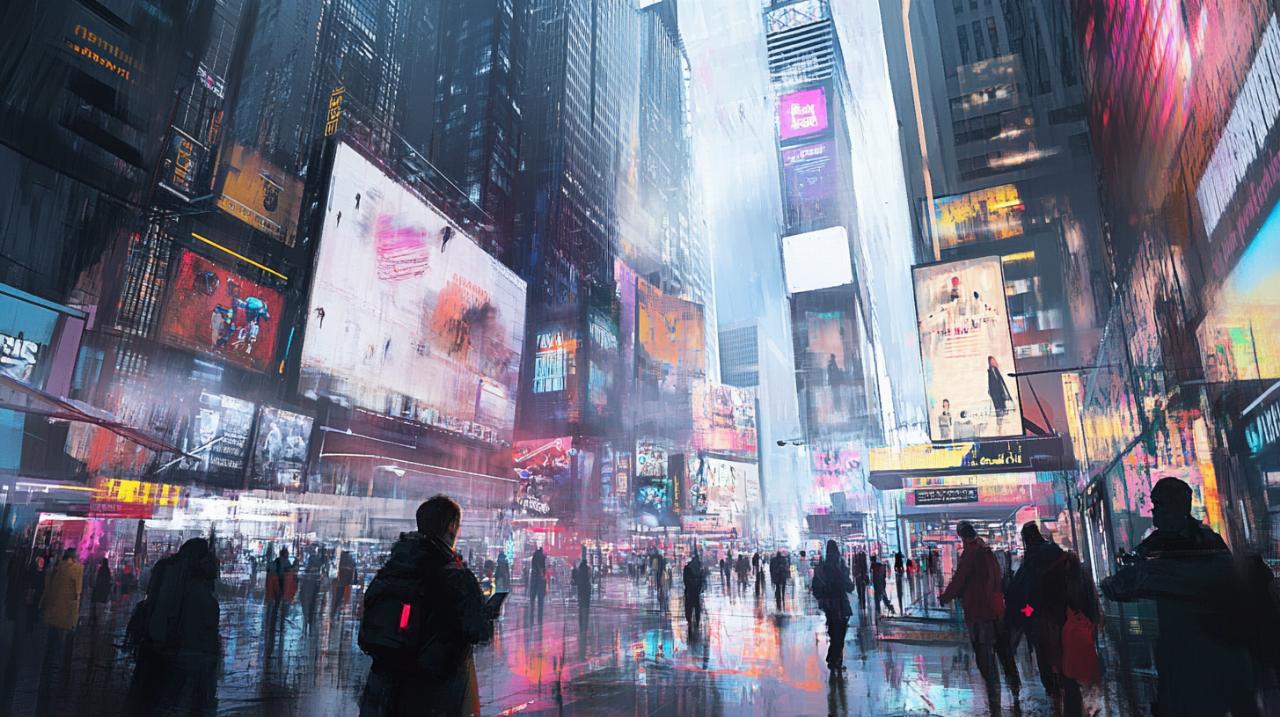
Beyond the traditional fashion capitals, a constellation of emerging cities has begun to challenge established hierarchies, offering fresh perspectives that blend local culture with global influences. Copenhagen has emerged as a beacon of Scandinavian minimalism with an edge, hosting fashion week in August with strict eco-standards that set new benchmarks for sustainability. The Danish capital shines brightest between May and September, when its design scene comes alive with events and pop-up installations. Seoul presents an equally compelling proposition, with its youth-driven, tech-savvy Seoul Fashion Week often taking place at the architecturally stunning Dongdaemun Design Plaza, designed by Zaha Hadid. The Korean capital's fashion scene effortlessly blends avant-garde experimentation with streetwear sensibilities, creating a distinctive aesthetic known as K-Fashion that has captured global attention.
Lagos brings Afro-modern vibrancy to the international fashion conversation, with Lagos Fashion Week having been founded in 2011 by Omoyemi Akerele. The event now features over sixty designers who skilfully blend traditional textiles and techniques with contemporary silhouettes, celebrating cultural energy whilst engaging with global trends. São Paulo stands as Latin America's dynamic style metropolis, with São Paulo Fashion Week having been inaugurated in 1995 as the region's largest fashion event. The Brazilian showcase has made headlines for imposing model diversity quotas, ensuring that the runway reflects the beautiful complexity of the population it serves. Tbilisi offers yet another perspective, with Mercedes-Benz Fashion Week Tbilisi showcasing daring, unorthodox designs that often carry political and cultural statements, reflecting the Georgian capital's position at the crossroads of Europe and Asia.
Interactive showrooms featuring smart wearables
The convergence of fashion and technology finds perhaps its most literal expression in interactive showrooms dedicated to smart wearables, where garments and accessories incorporate sensors, displays and connectivity features that extend their function far beyond traditional clothing. These spaces invite visitors to engage directly with products, trying on intelligent garments that monitor health metrics, adjust temperature based on environmental conditions, or even change colour in response to mood or surroundings. London and New York have become particularly important hubs for such innovation, with dedicated showrooms allowing consumers to experience firsthand how technology can enhance comfort, performance and personal expression.
The democratisation of wearable technology has accelerated remarkably, with devices that were once prohibitively expensive now becoming accessible to everyday consumers. Interactive showrooms play a crucial educational role, demystifying complex technology through hands-on demonstrations and knowledgeable staff who can explain both capabilities and limitations. These venues often feature collaborations between fashion designers and technology companies, resulting in pieces that satisfy both aesthetic and functional requirements. The emphasis remains firmly on enhancing the human experience rather than replacing traditional craftsmanship, with the most successful examples achieving a harmonious balance between heritage techniques and forward-thinking innovation.
Tech hubs displaying next-generation gadgetry
Dedicated tech hubs have proliferated across fashion capitals, showcasing next-generation gadgetry that promises to reshape how we think about personal adornment and daily interaction with our environment. Dubai has positioned itself as a particularly ambitious player in this space, with Dubai Fashion Week featuring a significant proportion of designers from outside the UAE who bring international perspectives to the city's luxury retail landscape. The Spring and Summer showcase featured forty designers, with sixty-eight percent hailing from beyond Emirati borders, demonstrating the city's commitment to global dialogue and cross-cultural exchange.
These tech hubs serve multiple functions simultaneously, acting as retail spaces, demonstration centres and community gathering points for those passionate about the intersection of style and innovation. Visitors can explore everything from three-dimensional-printed footwear to garments created using sustainable bio-fabrication techniques that grow materials rather than weaving or knitting them. The experience extends beyond passive observation, with many venues offering workshops and talks that delve into the creative process behind these innovations. For fashion lovers seeking to understand not just what the future holds but how it comes into being, these tech hubs provide invaluable insight into the collaborative, experimental spirit driving the industry forward. Whether exploring established fashion capitals or venturing to emerging destinations, the opportunity to witness where style and technology converge offers a genuinely enriching experience that rewards curiosity and open-mindedness.