

Navigating Britain's road network has become remarkably straightforward thanks to innovative payment technologies that remove the traditional hassle of fumbling for coins at toll plazas. Whether you're a frequent motorist crossing the Thames via the Dartford Crossing or planning a continental journey through the Channel Tunnel, understanding the available solutions can transform your travel experience into a seamless adventure. Modern systems now offer integrated approaches that combine motorway toll payment with a host of additional vehicle and mobility services, creating a comprehensive platform for all your motoring needs.
Modern electronic toll collection systems
The transformation of toll collection has been nothing short of revolutionary. Gone are the days when drivers would queue endlessly at booth barriers, searching through glove compartments for loose change. Electronic systems have ushered in an era where vehicles glide through dedicated lanes without stopping, their passage recorded automatically and charges processed without any manual intervention. This technological leap has not only reduced congestion at payment points but has also significantly decreased journey times across major routes.
Automatic number plate recognition technology
At the heart of contemporary toll infrastructure lies sophisticated camera technology that captures vehicle registration details as cars pass beneath gantries. This automatic number plate recognition operates seamlessly regardless of weather conditions, ensuring reliable service throughout the year. The Dartford Crossing exemplifies this approach perfectly, having abolished traditional toll booths entirely in favour of this contactless method. Drivers simply register their vehicle details and payment information through online platforms, after which their journeys are automatically logged and billed. This system proves particularly valuable for regular commuters who previously spent countless hours in queuing traffic. The technology extends beyond British borders too, with similar systems operating across European motorways, creating a unified experience for those venturing abroad. For travellers heading to destinations requiring vignettes, electronic versions can now be purchased through mobile applications, eliminating the need to stop at border stations. These digital vignettes cover countries including Switzerland, Austria, Slovenia, and the Czech Republic, making cross-border travel remarkably straightforward.
Pre-paid toll tags and transponders
Physical transponder devices remain incredibly popular among drivers who regularly use tolled routes. The Emovis Tag represents an excellent example of this technology, offering compatibility across multiple European countries including France, Spain, Portugal, and Croatia. These compact devices attach to windscreens and communicate with roadside equipment as vehicles approach toll points, enabling access to dedicated automatic lanes known as télépéage in France. The convenience cannot be overstated, particularly during peak holiday periods when standard lanes become congested with queuing traffic. Users of such systems typically benefit from monthly billing arrangements that consolidate all toll charges into a single itemised statement, simplifying expense tracking for both personal and business use. For those travelling aboard LeShuttle services between Folkestone and Calais, the journey time averages thirty-five minutes with crossings available up to four times per hour during busy periods. Once in France, the direct connection to the A16 motorway network becomes immediately accessible, and possessing a transponder means uninterrupted progress southward without stopping at plazas. The financial arrangements for these devices typically involve modest application fees, annual subscriptions, and usage charges only during months when the tag is actively employed, with the system capped to prevent excessive costs. Security deposits are generally refundable upon return of equipment, and acceptance of standard UK bank accounts ensures accessibility for British motorists. To truly explore our selections of available toll solutions means examining not just the hardware but the comprehensive service packages that accompany them, including customer support teams based domestically who understand the specific needs of British drivers.
Alternative payment methods for motorway charges
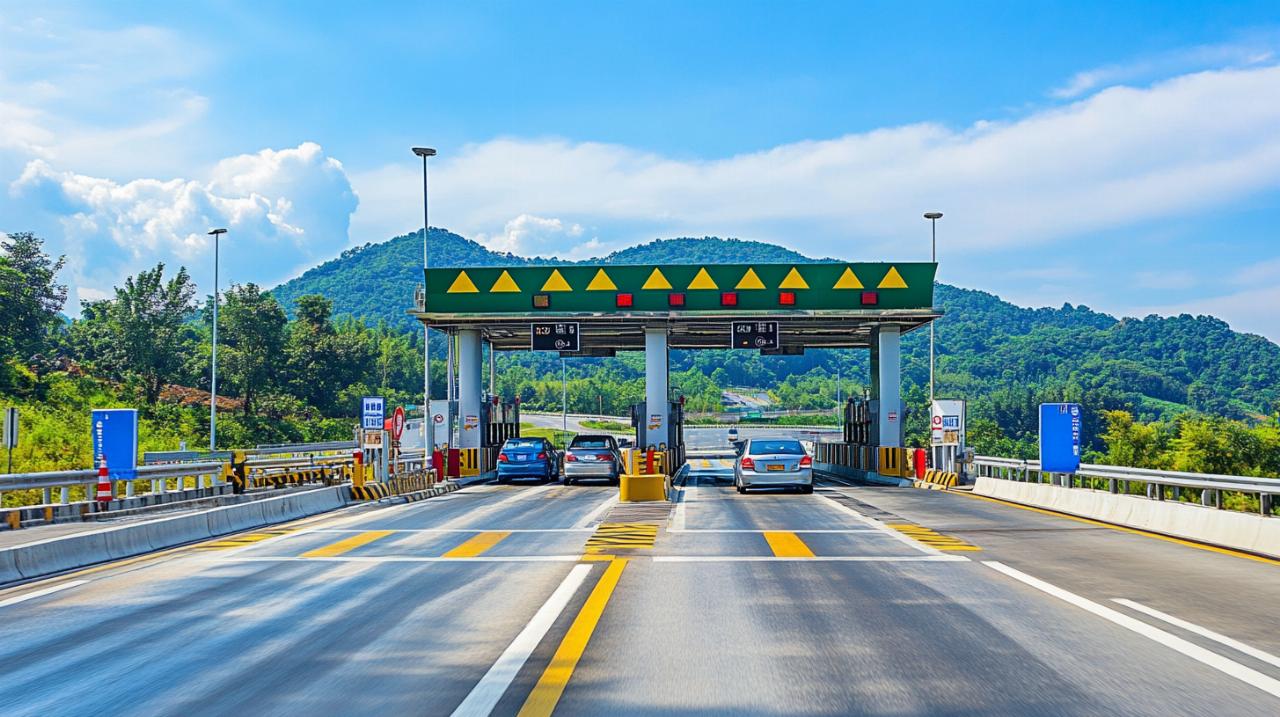
Beyond traditional transponder technology, the digital revolution has introduced numerous flexible payment channels that cater to different travel patterns and preferences. These alternatives prove particularly useful for occasional travellers who may not justify the investment in dedicated hardware, or for those who prefer managing their mobility expenses through unified digital platforms that consolidate various transportation costs.
Mobile applications and digital wallets
Smartphone applications have emerged as powerful tools for managing toll payments alongside numerous other vehicle-related services. Comprehensive platforms now allow users to handle motorway toll payment, purchase electronic vignettes, pay for fuel through the app interface, arrange electric vehicle charging sessions, settle car tax obligations, book vehicle inspections, and even schedule car wash appointments. This integration extends further into broader mobility services, encompassing public transport tickets, sharing mobility options such as electric scooters and bicycles, ferry and ship tickets, train bookings, and taxi reservations. For urban drivers, on-street parking management and access to congestion zones can be handled through the same interface. The convenience of having all these services accessible through a single application cannot be understated, particularly when travelling across regions with varying payment requirements. Some platforms offer cashback incentives on toll fees for users who activate their accounts during promotional periods, with rewards credited directly against future charges. The applications typically maintain invoice records for extended periods, with documentation available for download to assist with expense claims or accounting purposes. Should payment failures occur at toll points, rectification within fifteen days through the app prevents additional penalties, providing a safety net for technical glitches or connectivity issues.
Online account management platforms
Web-based portals complement mobile applications by offering expanded functionality for those who prefer managing accounts through desktop interfaces. These platforms provide comprehensive oversight of all charges across multiple service categories, from motorway tolls to parking management and ferry crossings. Users can update vehicle details, modify payment methods, review historical transactions spanning many months, and download contracts or transparency documents as required. For commercial users managing fleets, telematics integration maximises the performance of onboard units whilst providing detailed reporting on vehicle movements and associated costs. The systems support VAT refund processes across more than thirty European countries, simplifying financial administration for businesses operating internationally. For drivers of heavy goods vehicles, purchasing the HGV Levy through these platforms ensures compliance with UK regulations. The flexibility extends to insurance services as well, with options for car, motorbike, van, and personal coverage available through integrated offerings that allow payment in twelve instalments without additional costs. Roadside assistance packages provide twenty-four-hour support every day of the year, offering peace of mind for travellers venturing far from home. Customer service teams remain accessible through dedicated telephone lines during business hours, ensuring that technical queries or account issues receive prompt attention. As the Dutch truck toll system prepares for implementation in two thousand twenty-six, these platforms will undoubtedly evolve to incorporate new requirements, maintaining their position as essential tools for modern motoring. The comprehensive nature of these services transforms what was once a fragmented landscape of disconnected payment systems into a coherent ecosystem where drivers enjoy genuinely effortless travel across domestic and international routes alike.