

France remains one of Europe's most captivating destinations for property buyers, offering an extraordinary range of landscapes, lifestyles and, crucially, price points. While regions like the Cote d'Azur or central Paris command eye-watering sums, vast swathes of the country still offer remarkably affordable property, making France a compelling alternative to more saturated markets such as Spain, Portugal or Italy. Anyone conducting a property search across popular destinations including Spain, France, Portugal, Italy, Greece, Florida, Cyprus and Turkey will quickly notice that France offers some of the best value for money once you move beyond the obvious tourist hotspots.
What to know
- France offers significantly more affordable property options compared to popular European markets like Spain or Italy, particularly outside major tourist hotspots.
- Economic factors, including rural depopulation and limited job opportunities, are the primary drivers behind the low property prices in the French interior.
- Accessibility is a key variable in property valuation, as regions with limited infrastructure and remote locations tend to remain the most budget-friendly.
- The Limousin region, particularly the Creuse department, is identified as the most affordable area in France, often featuring properties priced well under €100,000.
- Auvergne, Poitou-Charentes, and inland parts of Brittany and Normandy provide additional high-value opportunities for buyers seeking budget-friendly real estate.
- Investors should exercise caution regarding potential hidden costs, such as necessary renovations for older buildings and the lack of local services in remote areas.
- Prospective buyers must engage a local notaire to navigate the French legal purchasing process and should always conduct thorough property inspections before finalizing any investment.
Understanding the french property market: why some regions remain remarkably affordable
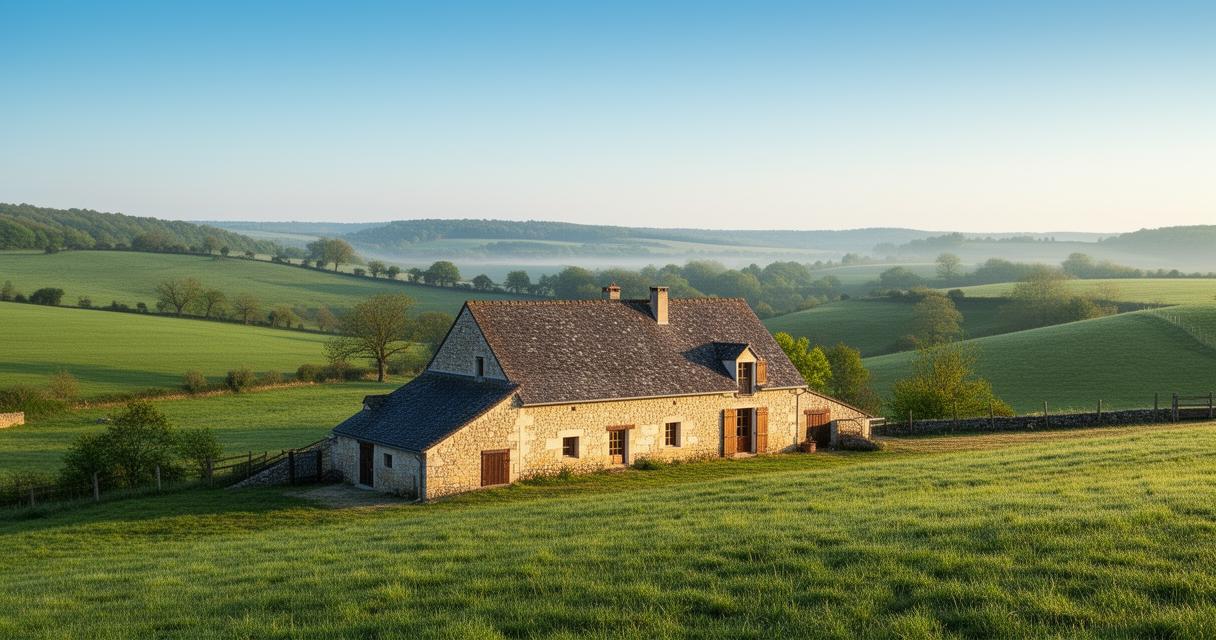
The disparity in French property prices is stark, and understanding why requires a look at the underlying economic and demographic forces at play. Rural exodus has left many charming villages and towns with dwindling populations, which in turn keeps demand and therefore prices low. This is particularly noticeable in central France, where entire communities have seen younger generations move towards cities in search of employment, leaving behind a surplus of housing stock relative to demand.
Economic factors driving regional price variations across france
Regional economies vary enormously across France, and this directly influences property prices. Areas with limited industry, fewer job opportunities and low population density tend to see property values stagnate or even decline over time. This is good news for buyers with a tight budget, but it does mean prospective owners should think carefully about long-term value and the practicalities of daily life in these areas. Compared to the property markets in Costa Blanca, Costa del Sol or the Algarve, where tourism keeps prices buoyant, some French regions simply lack that same commercial pull.
Infrastructure and accessibility: how location influences property values
Accessibility plays a huge role in determining property values. Regions well connected by motorways, train lines and airports naturally command higher prices, whilst more remote areas remain cheaper largely because of the inconvenience involved in reaching them. Weather and location factors also weigh heavily on buyer decisions; areas with milder climates and closer proximity to the coast tend to be pricier than the cooler, more continental interior. This mirrors patterns seen in other popular property search regions like Tuscany or the Canary Islands, where accessibility and climate command a premium.
The Top 5 Most Budget-Friendly Regions for Property Purchases in France
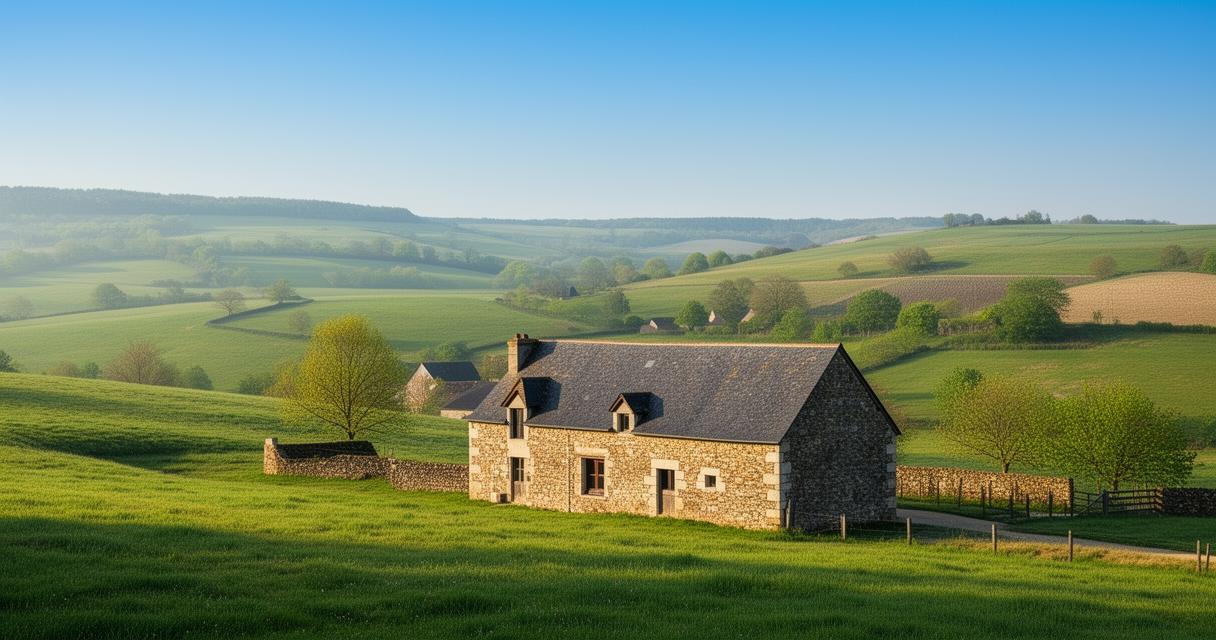
For those hunting for genuine bargains, several regions consistently stand out. The Limousin region is often cited as the cheapest in the country, with properties available for under €100,000 and, in some remarkable cases, considerably less. Creuse, within Limousin, has become something of a byword for affordability, with dilapidated cottages and farmhouses selling for a fraction of what you'd pay elsewhere. Alongside Limousin, other regions worth considering include parts of Auvergne, Poitou-Charentes, and inland areas of Brittany and Normandy, both of which retain pockets of affordability despite their popularity with British buyers.
Detailed Analysis of Each Region's Average Property Prices and Investment Potential
Specific examples illustrate just how far a modest budget can stretch. A holiday cottage in Limousin has been listed for as little as €40,000, whilst a four-bedroom property requiring renovation work sold for €71,600. These figures dwarf anything comparable in Spain's Costa Brava or Italy's Puglia, and they demonstrate the genuine investment potential available to buyers willing to take on a project. Dordogne and Languedoc also offer more affordable options than their reputations might suggest, particularly for those prepared to look slightly off the beaten track rather than in the most sought-after villages.
Comparative overview: how these regions stack up against popular markets
When set against destinations such as the Balearic Islands, Fethiye in Turkey, or Corfu in Greece, these French regions offer exceptional value. Whereas beach properties and golf properties in Spain or Cyprus often carry substantial price tags due to tourist demand, the French interior remains largely untouched by such pressures. This makes it particularly appealing for buyers seeking park homes, new developments or simply a quiet retreat away from crowded coastal resorts, without sacrificing the charm and character associated with rural French living.
Practical Considerations for Investing in Affordable French Real Estate
Affordability alone should never be the sole deciding factor. Cheap properties can come with hidden issues, including a lack of local services, flooding risks and construction problems that aren't always immediately apparent. Older homes, in particular, might not meet current legal housing standards, meaning buyers could face significant renovation costs down the line. It's essential to conduct thorough surveys and seek independent advice before committing to any purchase, however tempting the price might seem.
Legal Requirements and Purchase Procedures for Foreign Buyers
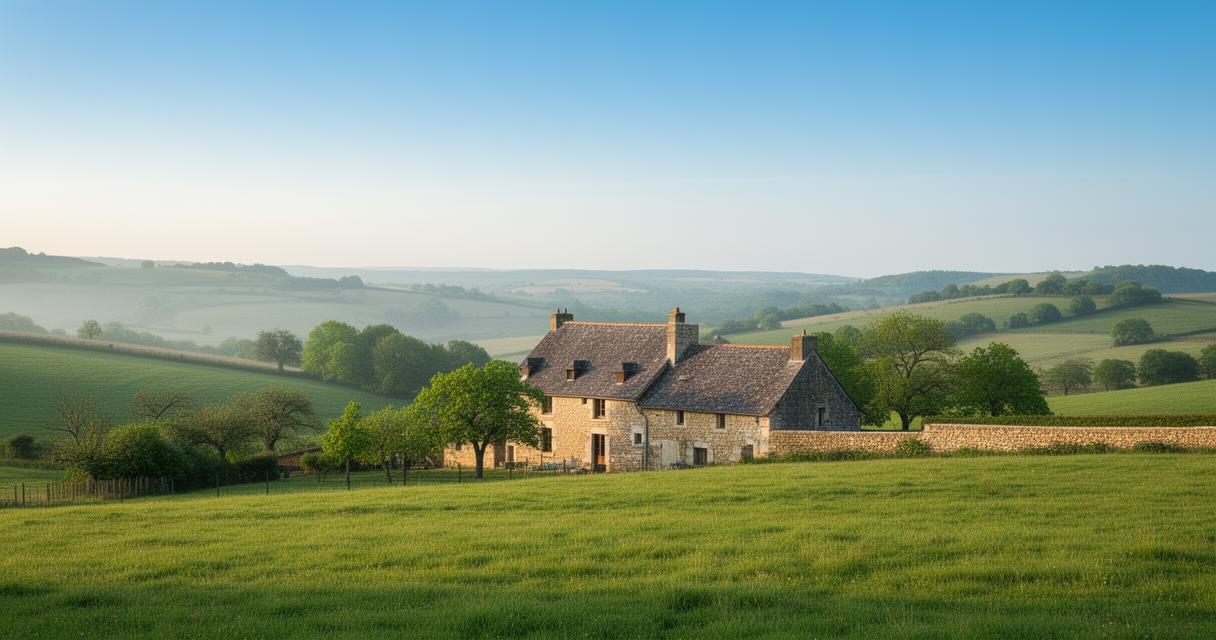
Foreign buyers looking to purchase in France must navigate a legal process that, whilst straightforward compared to some countries, still requires careful attention. Engaging a notaire is mandatory, and buyers should be prepared for administrative steps that differ from those in the UK. Online listings can provide a useful starting point for research, though prospective buyers are strongly encouraged to visit properties in person and consult local professionals familiar with regional quirks and regulations.
Long-Term Value Prospects and Rental Yield Opportunities in Budget Regions
Whilst budget regions offer undeniable appeal, resale challenges are a genuine concern given the low population density and limited buyer pool in these areas. Rental yields can also be modest compared to more established markets, so those hoping to generate significant income should temper their expectations accordingly. Ultimately, personal circumstances, lifestyle priorities and long-term goals should guide the decision, ensuring that any purchase in these more affordable pockets of France remains a rewarding one rather than a regrettable bargain.