

In today's fast-paced world, credit cards have become indispensable tools for managing our finances, yet they remain surprisingly vulnerable to everyday hazards. One of the most frustrating experiences for any cardholder is discovering that their card has become unreadable at the payment terminal, often without warning. Understanding how and why these essential pieces of plastic lose their functionality can save you from inconvenient moments at the checkout and help preserve your card's integrity throughout its intended lifespan. This comprehensive guide explores the mechanisms behind card demagnetisation, the warning signs to watch for, and practical strategies to keep your payment methods functioning reliably for years to come.
Understanding credit card demagnetisation: common causes and how they occur
The magnetic stripe running along the back of your credit card serves as a repository for the sensitive information required to authorise transactions. This strip contains microscopic magnetic particles arranged in a specific pattern that encodes your account details, expiry date, and verification data. When these particles become scrambled or lose their magnetic properties, the card becomes unusable at traditional swipe terminals, a phenomenon known as demagnetisation. The causes behind this problem are more varied than many people realise, ranging from invisible magnetic interference to the gradual deterioration that accompanies regular use.
Magnetic interference from everyday electronic devices
One of the primary culprits behind card demagnetisation is exposure to magnetic fields generated by common devices we encounter daily. Smartphones, tablets, and other electronic gadgets emit low-level magnetic fields that can interfere with the delicate arrangement of particles on your card's stripe. Carrying your card in the same pocket as your mobile phone might seem convenient, but this practice can gradually compromise the magnetic encoding over time. Similarly, security devices found at shop entrances and exits generate magnetic fields designed to detect unpaid merchandise, and whilst these systems are calibrated to avoid affecting payment cards, repeated exposure can occasionally contribute to degradation.
Magnetic clasps on handbags, wallets, and phone cases present another hidden danger to your cards. These clasps often contain surprisingly strong magnets that can directly interfere with the magnetic stripe when cards are stored in close proximity. The strength of these magnets varies considerably between products, but even moderate magnetic fields can begin to affect card functionality with sufficient exposure. Medical facilities pose an extreme risk in this regard, as MRI machines generate extraordinarily powerful magnetic fields capable of instantly erasing the data from any card brought into the scanning room. Patients are routinely warned to remove all metallic objects and cards before undergoing such procedures, but the reminder serves as a stark illustration of just how sensitive these magnetic stripes can be to their environment.
The Impact of Physical Wear and Tear on Your Card's Magnetic Strip
Beyond magnetic interference, the simple act of using your card regularly subjects it to physical stresses that can compromise its functionality. Each time you slide your card through a reader, the magnetic stripe experiences friction against the reading head, gradually wearing away the surface coating that protects the magnetic particles beneath. This mechanical wear accelerates when cards are used frequently or when readers are poorly maintained with dirt and debris accumulating in the card slot. The plastic material itself can also become scratched or cracked through normal handling, particularly when cards are stored alongside sharp objects such as keys or loose change in pockets or bags.
Temperature fluctuations and environmental exposure contribute to the degradation process as well. Leaving your card in a hot vehicle during summer months or exposing it to extreme cold can affect both the plastic substrate and the magnetic material itself, potentially causing warping or changes in the magnetic properties. Moisture represents another concern, as water damage can affect the adhesive bonding the magnetic stripe to the card body or introduce contaminants that interfere with proper reading. Even something as innocuous as allowing dirt and oils from your hands to accumulate on the stripe can create a barrier that prevents card readers from accurately detecting the magnetic signal, though this type of interference is usually reversible with gentle cleaning using a soft cloth.
Recognising the signs: when your card has been demagnetised
Identifying whether your card has been demagnetised requires attention to the symptoms that emerge during attempted use. The most obvious indication is repeated failure of the card to be read by payment terminals, particularly when the same card consistently fails across multiple different machines. Whilst a single declined transaction might simply reflect a temporary glitch with the terminal itself, a pattern of failures strongly suggests an issue with your card rather than the payment infrastructure. Understanding how to distinguish between demagnetisation and other potential problems helps ensure you take appropriate action to restore your payment capabilities.
Transaction Failures and Unreadable Card Errors at Terminals
When you swipe your card through a terminal and receive an error message indicating the card cannot be read, this represents the most direct evidence of demagnetisation. The terminal's reading head relies on detecting the magnetic field variations encoded in your card's stripe, and when these signals are too weak or corrupted, the device cannot extract the necessary information to process your payment. You might notice the cashier asking you to swipe your card multiple times or to try inserting it differently, but these efforts typically prove futile when the magnetic data has been compromised. Some modern terminals will automatically prompt you to insert your card's chip instead if the magnetic stripe fails to read, offering a convenient backup option that bypasses the demagnetised stripe entirely.
The frequency and consistency of these errors provide important clues about the nature of the problem. If your card works successfully in some locations but fails in others, the issue might relate more to the quality and calibration of specific card readers rather than complete demagnetisation of your card. However, if failures become increasingly common and occur across various merchants and ATMs, the evidence points firmly toward deterioration of the magnetic stripe itself. Paying attention to whether the card works when inserted chip-first can help isolate the problem, as EMV chips operate independently of the magnetic stripe and remain functional even when the stripe has been completely demagnetised.
Distinguishing between demagnetisation and other card faults
Not every transaction failure stems from demagnetisation, and understanding the alternative explanations helps prevent unnecessary card replacements whilst ensuring genuine problems receive appropriate attention. A card might be declined due to insufficient funds, exceeded credit limits, security holds placed by your bank, or because the account has been blocked due to suspected fraudulent activity. These situations typically generate specific error messages that differ from the generic unreadable card notification associated with magnetic stripe problems. Contacting your card issuer when experiencing difficulties can quickly clarify whether the issue relates to your account status rather than physical damage to the card itself.
Visible damage to the card provides another diagnostic clue, as cracks in the plastic body, obvious scratches across the magnetic stripe, or warping of the card can all prevent proper reading regardless of whether the magnetic encoding remains intact. The physical dimensions and flexibility of the card matter tremendously for proper terminal function, and cards that have become bent or warped may simply fail to make adequate contact with the reading head. Similarly, dirt and grime accumulated on the stripe can sometimes be mistaken for demagnetisation when the actual problem is simply that contaminants are blocking the magnetic signal from reaching the reader. A gentle cleaning with a soft, slightly damp cloth can restore functionality in these cases without requiring a replacement card.
Preventative measures: safeguarding your card against demagnetisation
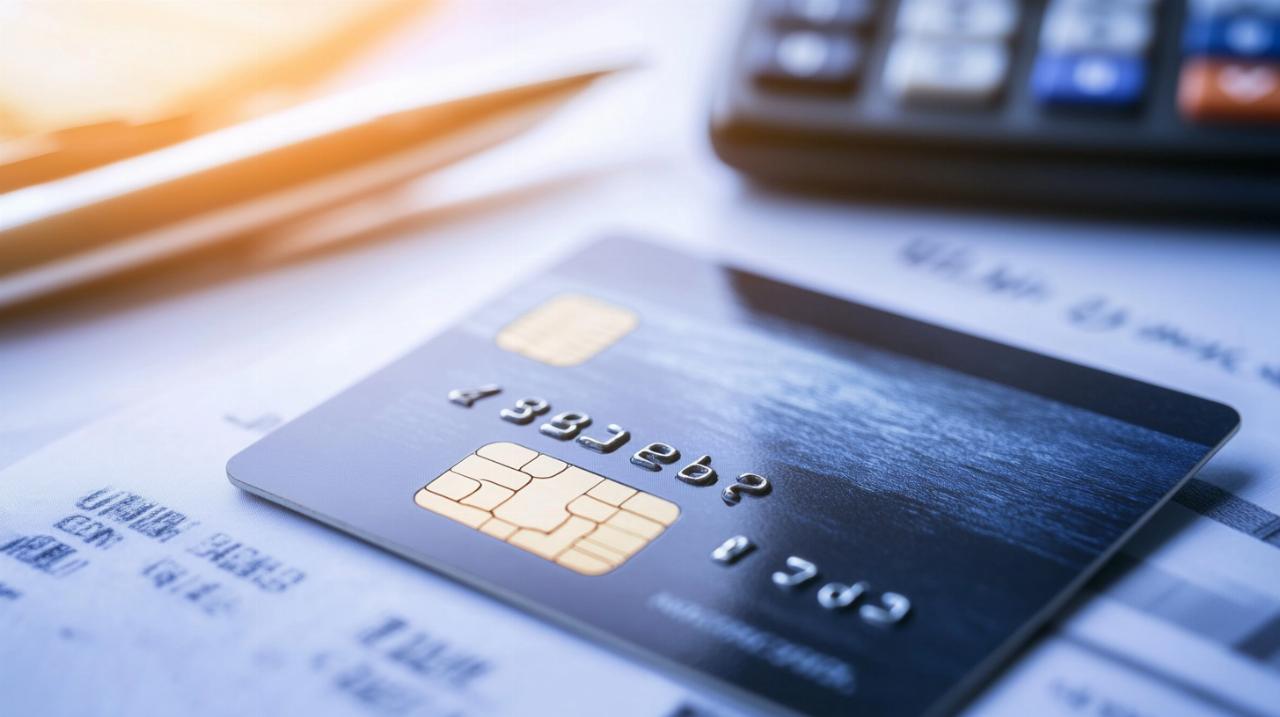
Protecting your credit card from demagnetisation requires developing habits that minimise exposure to magnetic fields whilst also reducing physical wear and tear. The good news is that most preventative strategies involve simple adjustments to how you store and handle your cards rather than expensive protective equipment or elaborate precautions. By understanding which situations pose the greatest risks, you can make informed decisions about card placement and storage that significantly extend the functional lifespan of your payment methods.
Proper Storage Techniques and Protection from Magnetic Fields
The manner in which you store your cards when not in use plays a crucial role in preserving their magnetic stripes. Keeping cards in a dedicated cardholder or wallet compartment prevents them from rubbing against each other, which can cause both physical scratching and potential magnetic interference if the stripes are pressed directly together. RFID-blocking wallets offer an additional layer of protection, as these accessories contain metallic shielding that blocks electromagnetic fields from reaching your cards. Whilst primarily marketed for preventing electronic theft of chip card data, these wallets also help isolate your cards from external magnetic sources that might cause demagnetisation.
Avoiding storage locations near strong magnetic sources represents another essential precaution. This means keeping your wallet away from speakers, which contain powerful magnets, and avoiding placing cards directly on top of electronic devices such as laptops or tablets. When at home, designate a consistent safe location for your wallet that remains distant from appliances that generate magnetic fields, including television sets, microwave ovens, and audio equipment. For those who carry bags with magnetic clasps, positioning your wallet in compartments away from these clasps reduces prolonged exposure to localised magnetic fields. Using protective sleeves designed specifically for credit cards provides an affordable option for adding an extra buffer against both magnetic interference and physical damage, particularly for cards you carry regularly but use infrequently.
The question of smartphones deserves special attention given how ubiquitously these devices are carried alongside payment cards. Whilst the magnetic fields generated by modern smartphones are relatively weak, consistent close contact over extended periods can contribute to gradual stripe degradation. The simplest solution involves keeping your phone and wallet in different pockets or bag compartments, maintaining at least a few centimetres of separation. For those who use phone cases with card slots built in, recognising that this convenience comes with increased demagnetisation risk helps you make an informed choice about whether the trade-off seems worthwhile for your particular circumstances. Regularly inspecting the magnetic stripe for signs of wear and testing your card periodically at ATMs can help you detect problems early before they leave you stranded at a crucial moment.
The Evolution to Chip Technology: Enhanced Security for Modern Banking
The banking industry's transition to EMV chip technology represents perhaps the most significant advancement in protecting cardholders from the vulnerabilities associated with magnetic stripes. Unlike magnetic strips that store static data which can be copied and exploited, chip cards generate unique transaction codes for each purchase, making them far more resistant to fraud. For the purposes of demagnetisation concerns, the critical advantage of chip technology lies in the fact that EMV chips remain completely unaffected by magnetic fields, eliminating this entire category of card failure from consideration when you primarily use the chip function.
Most modern credit cards incorporate both chip and magnetic stripe technologies, providing redundancy that ensures you can complete transactions even if one system fails. When the magnetic stripe becomes demagnetised, the chip continues functioning normally, allowing you to insert your card into chip-enabled terminals without interruption. This dual-system approach offers consumers a transitional solution as the payment infrastructure gradually phases out magnetic stripe readers in favour of universal chip and contactless acceptance. The presence of the chip also means that demagnetisation, whilst still inconvenient at merchants with older swipe-only terminals, no longer represents the complete loss of card functionality that it once did.
Looking toward the future, contactless payment technology promises to further reduce reliance on physical card components altogether. Near-field communication systems enable transactions through a simple tap of your card against a reader, with all data transmitted wirelessly without any physical contact that could cause wear. Mobile payment platforms take this concept even further by storing your card information securely on your smartphone, allowing you to leave the physical card at home entirely for many transactions. These innovations suggest that concerns about demagnetisation may eventually become obsolete as the industry continues moving away from magnetic stripe technology, though maintaining awareness of proper card care remains relevant whilst the transition continues and older systems remain in widespread use.
Should you discover that your card has indeed been demagnetised beyond recovery, contacting your card issuer promptly ensures you receive a replacement without significant disruption to your finances. Most banks can expedite delivery of new cards within a few business days, and some offer emergency card services for travellers or those facing urgent payment needs. The issuer will typically deactivate your old card upon issuing the replacement, so reporting the problem early prevents potential complications if the damaged card falls into the wrong hands. By combining preventative care with prompt action when problems arise, you can minimise the inconvenience of card demagnetisation whilst maintaining secure and reliable access to your funds throughout your card's intended lifespan.