

Owning a vintage moped is more than just having a charming mode of transport; it represents a slice of motoring history and a passion for classic design. However, ensuring your treasured two-wheeler is both legally compliant and adequately protected requires careful attention to registration and insurance. From understanding the paperwork needed to prove ownership to selecting the right anti-theft cover, navigating these essentials is crucial for any enthusiast looking to enjoy their classic scooter on UK roads without worry.
Registering your vintage moped: paperwork and ownership essentials
Obtaining Your Registration Certificate and Proving Ownership for Classic Scooters
Before you can legally ride your vintage moped, securing the correct registration certificate is paramount. The DVLA oversees vehicle registration in the UK, and your classic scooter must be properly documented to demonstrate lawful ownership. This registration certificate serves as the official record linking you to the vehicle, confirming its history and your right to operate it on public roads. For older models, especially those that have changed hands multiple times over the decades, ensuring that the paperwork is accurate and up to date can sometimes prove challenging. It is essential to verify that the details on the certificate match the physical characteristics of your moped, including engine capacity and frame number. This accuracy not only helps avoid legal complications but also streamlines the process when arranging insurance, as providers will require confirmation of the vehicle's identity and your status as the registered keeper. Keeping all original documents, receipts, and any historical records related to your vintage moped can greatly assist in proving ownership and authenticating the vehicle's provenance.
Understanding Transfer of Ownership and Declaration Procedures for Vintage Mopeds and Motorcycles
When acquiring a vintage moped, whether through purchase or inheritance, understanding the transfer of ownership procedures is vital. The seller must complete the relevant sections of the registration certificate and provide you with the appropriate documentation to submit to the DVLA. This declaration of the new keeper ensures that the records are updated, placing responsibility for the vehicle squarely with you. For classic vehicles, the process may involve additional steps, particularly if the moped has been off the road for an extended period or if it lacks continuous registration history. In such cases, you may need to provide proof of identity, evidence of the vehicle's age, and documentation supporting its originality. It is also important to declare any significant modifications or restorations that may affect the classification or value of the moped. Completing these procedures correctly from the outset avoids potential disputes and ensures that your vintage moped is recognised officially, paving the way for smooth insurance arrangements and compliance with road traffic regulations.
Securing Proper Moped Insurance: Cover for Your Classic Vehicle and Its Parts
Finding the Right Insurance Card and Policy for Your Vintage Moped or Scooter
Once your vintage moped is registered, obtaining the right insurance policy becomes the next critical step. Specialist insurers who understand the unique characteristics of classic scooters and mopeds offer tailored cover that goes beyond standard motorbike insurance. These policies often include agreed value cover, which means that in the event of a total loss, you receive a pre-agreed sum reflecting the true worth of your vintage vehicle rather than a depreciated market value. Salvage retention is another feature commonly available, allowing you to keep the remains of your moped should it be written off, preserving parts and components that may hold sentimental or practical value. Spare parts protection is also essential, as sourcing original or period-correct components for older models can be costly and time-consuming. When selecting a policy, it is important to consider the level of cover that suits your needs, whether that be third party only, third party fire and theft, or comprehensive insurance. Comprehensive cover offers the broadest protection, including damage to your own vehicle regardless of fault, while third party fire and theft provides a middle ground, protecting against theft and fire damage alongside liability for third-party claims. Insurers with UK-based claims support and twenty-four-hour availability ensure that help is at hand whenever you need it, providing peace of mind for enthusiasts who value their classic machines.
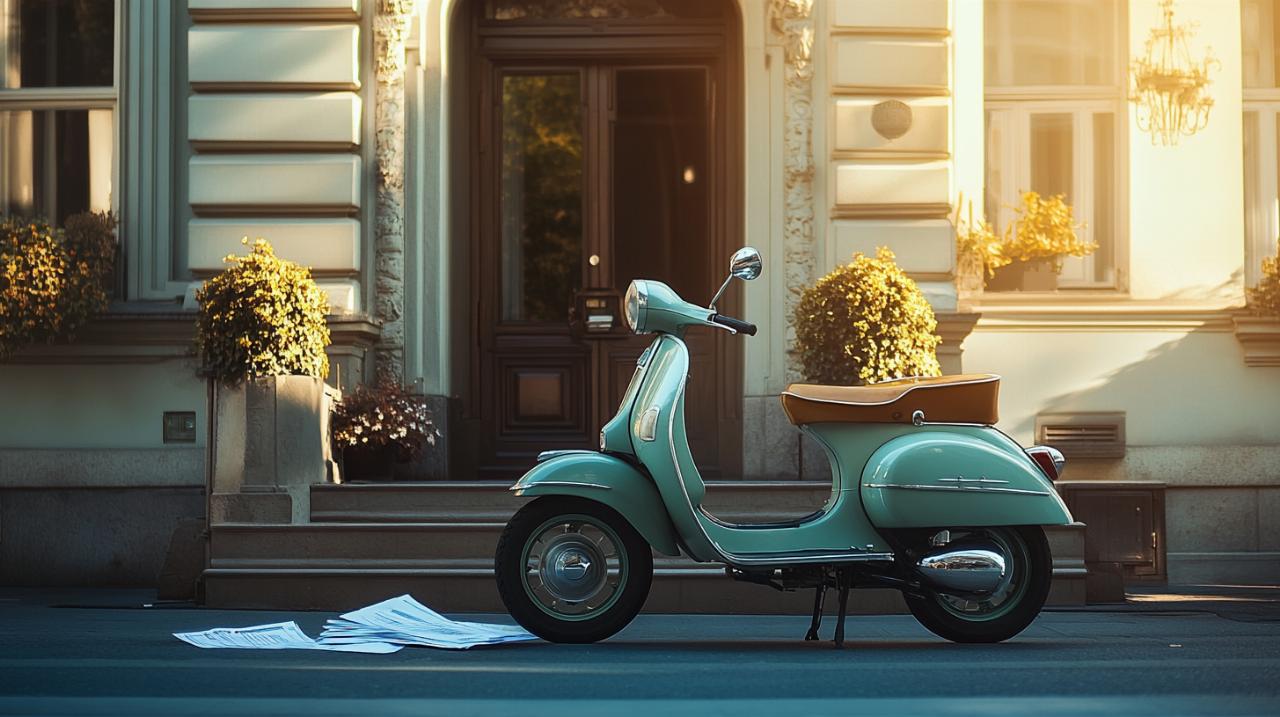
Essential Anti-Theft Cover: Protecting Your Classic Moped's Wheels, Parts, and Type of Vehicle
Vintage mopeds and classic scooters are often targets for theft due to their rarity, desirability, and the value of their parts. Anti-theft cover is therefore an essential component of any insurance policy for these vehicles. This type of protection typically forms part of third party fire and theft or comprehensive policies, ensuring that if your moped is stolen, you are compensated for the loss. Given the difficulty in replacing original wheels, engine components, and bodywork for classic models, insurers who specialise in vintage vehicles often include provisions for the protection of individual parts and accessories. Some policies also offer coverage for modifications, which is particularly important if your moped has been customised or restored with non-standard components. Declaring all modifications when obtaining a quote is crucial, as failure to do so can invalidate your cover. Security features such as alarms, immobilisers, and robust locking mechanisms can help reduce premiums, and many insurers require that classic mopeds are stored in secure locations such as brick-built garages or, for lower-value bikes, wooden sheds. Meeting these storage requirements not only satisfies the insurer's terms but also significantly reduces the risk of theft, safeguarding your investment in your beloved vintage machine.
Managing Your Collection: Online Compliance and Sale Procedures for Multiple Vintage Vehicles
Keeping Your Mopeds and Motorcycles Compliant: Online Registration and Insurance Management
For enthusiasts who own multiple vintage mopeds or motorcycles, managing compliance and insurance can become complex. Fortunately, many insurers now offer multi-bike policies, which allow you to cover several vehicles under a single policy, often at a reduced overall cost. This approach simplifies administration and ensures that all your classic machines are protected consistently. Online platforms provided by insurers enable you to manage your policies, make amendments, and renew cover without the need for telephone calls or paperwork, offering convenience and flexibility. It is essential to keep the DVLA informed of the status of each vehicle in your collection, declaring any that are off the road to avoid penalties and ensure that your insurance remains valid. Even if a moped is not currently being ridden, maintaining some level of cover or making an official declaration can prevent legal issues and preserve your no-claims discount. Regularly reviewing your policies and ensuring that all details, including modifications, storage arrangements, and usage, are accurately recorded helps maintain compliance and ensures that your cover remains appropriate as your collection evolves.
Navigating the Sale and Transfer Process for Your Vintage Moped Bike Collection
When the time comes to sell a vintage moped from your collection, understanding the correct procedures for transfer of ownership is essential to protect both you and the buyer. Completing the relevant sections of the registration certificate and providing the new owner with all necessary documentation ensures a smooth transition and helps avoid disputes. It is also important to notify your insurer of the sale, as your policy will need to be updated or cancelled to reflect the change in your collection. If you are selling multiple vehicles, keeping detailed records of each transaction, including proof of identity of the buyer and copies of all paperwork, can safeguard against future complications. Some insurers offer flexibility with multi-bike policies, allowing you to remove or add vehicles as your collection changes, often without incurring amendment fees. This adaptability is particularly valuable for collectors who regularly buy and sell vintage mopeds, ensuring that cover remains in place for the vehicles you own at any given time. By staying organised and maintaining clear communication with both the DVLA and your insurer, you can manage the sale and transfer process efficiently, preserving the integrity of your collection and ensuring that each vintage moped finds a new home with all the necessary legal and insurance arrangements in place.