

In an era where banking transactions increasingly blend traditional methods with modern technology, the humble chequebook remains a valuable tool for many individuals and businesses. Selecting the right chequebook wallet transcends mere aesthetics, combining functionality with personal style to create a practical accessory that safeguards your financial instruments whilst reflecting your taste. Understanding which features matter most and how to align them with your daily banking habits ensures you invest wisely in an accessory that serves you well for years to come.
Essential Features to Look for in a Quality Chequebook Wallet
When evaluating potential options, the foundation of any worthwhile chequebook wallet lies in its construction and capacity. The market offers an impressive variety, from simple holders to sophisticated multi-functional designs that accommodate far more than just cheques. The leather goods market, valued at over two hundred and fifty billion globally, demonstrates the enduring appeal of quality materials and craftsmanship. Investing in a well-constructed piece means considering both immediate needs and long-term durability, ensuring your choice remains functional and attractive throughout countless transactions.
Material quality and durability considerations
The choice of material fundamentally determines how your chequebook wallet will age and perform under daily use. Genuine leather stands as the gold standard for durability and elegance, developing a distinctive patina over time that adds character whilst maintaining structural integrity. Premium leather goods specialists have demonstrated since establishments like Noreve began operations in 2003 that superior materials combined with expert craftsmanship create accessories that withstand the test of time. PU leather presents a more affordable alternative that still offers reasonable durability and water resistance, though it lacks the breathability and natural ageing characteristics of genuine leather. For those seeking contemporary alternatives, nylon fabric provides lightweight functionality with excellent resistance to wear, whilst innovative options incorporating aluminium or titanium elements offer unique aesthetics combined with exceptional longevity. The material you select should reflect not only your budget but also your lifestyle demands, with frequent travellers perhaps favouring resilient synthetic options whilst traditionalists appreciate the timeless appeal of quality leather.
Storage Capacity for Cards and Cheque Stubs
Modern banking requires flexibility beyond simply housing cheques. A thoughtfully designed chequebook wallet incorporates dedicated compartments for bank cards, with typical configurations ranging from minimalist designs holding three to six cards through to more spacious options accommodating ten to fifteen cards alongside your chequebook. Consider whether you require space for loyalty cards, identification documents, or business cards, as these additional needs significantly influence which design proves most practical. The inclusion of a dedicated pocket for cheque stubs ensures you maintain accurate records of your transactions, a feature particularly valuable for business users who need meticulous financial documentation. Some sophisticated models incorporate clear viewing windows for identification cards, zip compartments for coins, and even slots for storing cash alongside cheques, transforming a simple chequebook holder into a comprehensive wallet solution. Assessing your typical daily carry helps determine whether a streamlined design suffices or whether you benefit from a more comprehensive organizational system.
Matching your chequebook wallet to your banking needs
Understanding how you actually use cheques in your financial life guides you toward the most suitable design. Different banking institutions issue varying cheque formats, and your wallet must accommodate the specific dimensions and binding styles you encounter. Business users who write numerous cheques daily require different features compared to individuals who occasionally use cheques for specific transactions. This alignment between form and function ensures your wallet enhances rather than complicates your banking activities.
Selecting the Right Format for Your Cheque Type
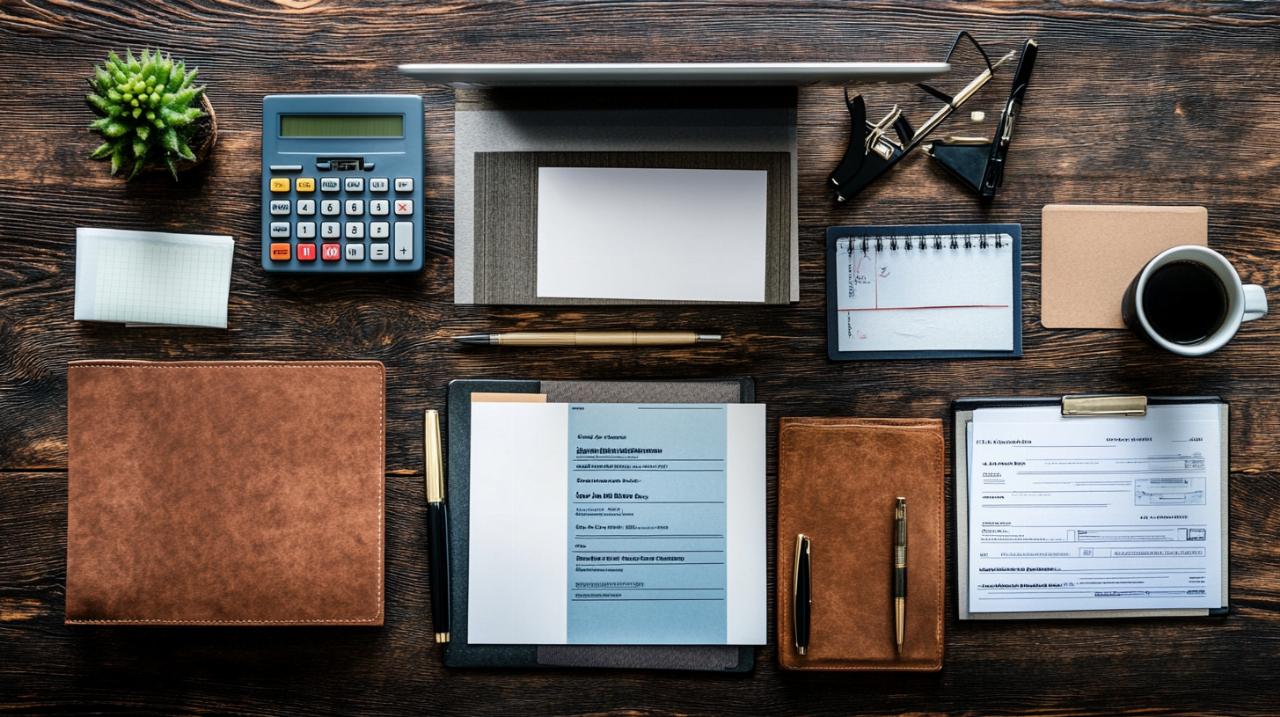
Chequebooks vary considerably in their physical characteristics, from standard personal cheques to larger business formats with duplicate copies. Single cheques require simple slip pockets, whereas duplicate or triplicate formats necessitate ring binders or secure binding systems that prevent pages from tearing during use. Business check binders, available with seven rings and designed for dispatch within five days, specifically address the needs of high-volume users who require robust construction and easy page turning. Restaurant check holders and presenter styles, with prices ranging from approximately one pound to eight pounds depending on customization and materials, demonstrate the specialized solutions available for particular professional contexts. Measuring your actual chequebook before purchasing ensures compatibility, avoiding the frustration of receiving a beautifully crafted wallet that simply does not fit your banking materials. Some wallets offer adjustable or universal designs that accommodate multiple cheque formats, providing flexibility if you maintain accounts with different institutions or anticipate changing your banking arrangements.
Accommodating multiple payment methods
Whilst cheques remain important, few people rely exclusively on this payment method in contemporary life. Digital wallets through mobile payment apps like Apple Pay, Google Pay, and PayPal increasingly handle trillions of transactions globally, yet physical payment cards and cash maintain their relevance for countless situations. Your chequebook wallet ideally integrates space for these alternative payment methods, creating a unified solution rather than requiring multiple accessories. Smart wallets incorporating GPS tracking technology represent emerging trends that blend traditional physical storage with digital security features, offering peace of mind for those who frequently misplace items or travel extensively. Consideration of how various payment methods coexist in your daily routine helps identify whether a dedicated chequebook holder suffices or whether a more comprehensive wallet solution better serves your needs. Multi-functional designs that elegantly balance cheque storage with card slots, cash compartments, and even smartphone pockets deliver versatility without unnecessary bulk, particularly valuable for business professionals who require streamlined efficiency.
Style and practicality: finding your perfect match
Beyond functional requirements, your chequebook wallet represents an extension of your personal style and professional image. The accessory you select communicates attention to detail and appreciation for quality, making it worth considering aesthetic elements alongside practical features. Premium accessories demonstrate that utility and beauty need not exist in opposition, with the finest examples seamlessly merging both qualities.
Classic models that suit your personal taste
Timeless designs in rich brown or sophisticated black leather appeal to traditionalists who value understated elegance, with vintage style options offering distinctive character for those who appreciate retro aesthetics. Personalized products incorporating monograms or custom embossing transform a functional item into a unique expression of identity, with many suppliers offering customization services at reasonable minimum order quantities. Unisex multi-functional retro checkbook holders demonstrate how classic styling adapts to contemporary needs, blending nostalgia with modern organizational features. For those drawn to minimalist aesthetics, streamlined designs in premium materials focus attention on craftsmanship and quality rather than embellishment, creating accessories that complement professional environments without distraction. Colour choices extend beyond conventional options, with suppliers offering everything from classic neutrals through to bold contemporary hues that make distinctive statements. Considering where you typically use your chequebook wallet helps determine appropriate styling, with business banking perhaps favouring conservative elegance whilst personal use permits greater creative expression.
Currency compatibility and international use
For individuals conducting business across borders or maintaining accounts in multiple currencies, ensuring your chequebook wallet accommodates varying cheque sizes and formats proves essential. International banking often involves larger cheque formats or different paper weights compared to domestic standards, requiring wallets with adjustable compartments or generous dimensions. Free worldwide delivery options from specialized suppliers make accessing quality products straightforward regardless of location, though attention to regional specifications ensures compatibility. Some premium manufacturers offer consultation services helping customers select appropriate configurations for their specific international banking requirements, drawing on expertise developed through serving diverse clientele. Currency denomination affects wallet organization too, with multi-currency users benefiting from separate compartments that prevent confusion between different financial instruments. Those frequently travelling appreciate compact designs that fit comfortably in jacket pockets or handbags whilst maintaining protection for valuable cheques, combining portability with security. Understanding how your banking activities extend beyond domestic transactions guides selection toward designs that truly serve your global financial management needs.