

Diesel engines have long been celebrated for their efficiency and robust performance, but their reliability hinges significantly on components that operate behind the scenes. Among these, glow plugs and their associated relay timers play an indispensable role, particularly in colder months when starting a diesel motor can become a challenge. When the relay timer develops a fault, the knock-on effects can be surprisingly far-reaching, impacting everything from your morning commute to your wallet. Understanding how these two elements work together, recognising the warning signs of trouble, and knowing what to expect in terms of maintenance and costs can help you keep your vehicle running smoothly and avoid unexpected breakdowns.
Understanding Glow Plugs and Relay Timers in Diesel Engines
The Essential Role of Glow Plugs in Cold Weather Starting
Unlike petrol engines that rely on spark plugs to ignite the air-fuel mixture, diesel engines operate on compression ignition. In simpler terms, diesel fuel ignites when air is compressed to extremely high pressures and temperatures within the combustion chamber. This method works brilliantly once the engine reaches operating temperature, but in cold weather, the metal components of the engine absorb heat, making it difficult for the compressed air to reach the necessary temperature for ignition. This is where glow plugs step in. These small yet mighty devices preheat the combustion chamber, ensuring that the air is sufficiently warm to ignite the diesel fuel when the engine cranks. Most diesel vehicles feature one glow plug per cylinder, working in concert to deliver consistent and reliable starting performance. Without properly functioning glow plugs, a diesel motor can suffer from prolonged cranking times, rough idling, and in severe cases, complete failure to start. The importance of these components becomes especially apparent during winter, when the ambient temperature drops and the engine struggles to generate the heat needed for combustion.
How relay timers control glow plug operation
The glow plug timer relay serves as the conductor of this orchestration, determining precisely when and for how long the glow plugs remain active. When you turn the ignition key, the relay receives a signal and activates the glow plugs, allowing them to heat up the combustion chambers for a few seconds before the engine cranks. This timed operation ensures that the engine receives the optimal amount of preheating without wasting electrical power or causing unnecessary wear on the glow plugs themselves. However, when the relay timer develops a fault, this carefully calibrated sequence is disrupted. A malfunctioning relay might fail to activate the glow plugs at all, activate them for too short a duration, or keep them on for too long, leading to premature failure. The relay itself is an electrical component, and like any such device, it is susceptible to wear and tear, corrosion, and internal failures. In Mercedes-Benz diesel engines and other European marques, the relay timer is a known point of potential trouble, and when it fails, the consequences can ripple through the entire starting system. Drivers may notice prolonged cranking times, difficulty starting the engine, or a decrease in engine efficiency, all of which can be traced back to a faulty relay timer that is not properly coordinating the glow plug operation.
Diagnosing and addressing relay timer faults affecting glow plug performance
Common Symptoms of Relay Timer Problems in Diesel Motors
Recognising the symptoms of a faulty glow plug timer relay is crucial for addressing the issue before it escalates into a more serious problem. One of the most common signs is difficulty starting the engine, particularly in cold weather. If you find yourself cranking the engine repeatedly before it finally catches, this could indicate that the glow plugs are not receiving adequate power or are not being activated at all. Another telltale sign is the illumination of the glow plug warning light or check engine light on the dashboard. Modern vehicles are equipped with sophisticated diagnostic systems that monitor the performance of various components, and a fault in the relay timer will often trigger a warning light. Rough idling and engine misfires are also indicative of relay timer issues, as the engine struggles to maintain a consistent combustion cycle without the proper preheating. In some cases, drivers may notice a clicking sound when turning the ignition, which suggests that the relay is attempting to activate but is failing to complete the circuit. Reduced fuel economy and increased exhaust smoke, particularly white or grey smoke during cold starts, can also point to glow plug or relay timer problems. These symptoms should not be ignored, as prolonged cranking and repeated starting attempts can cause additional wear on the starter motor and battery, compounding the initial problem and leading to even more costly repairs down the line.
Recommended inspection intervals and maintenance schedules
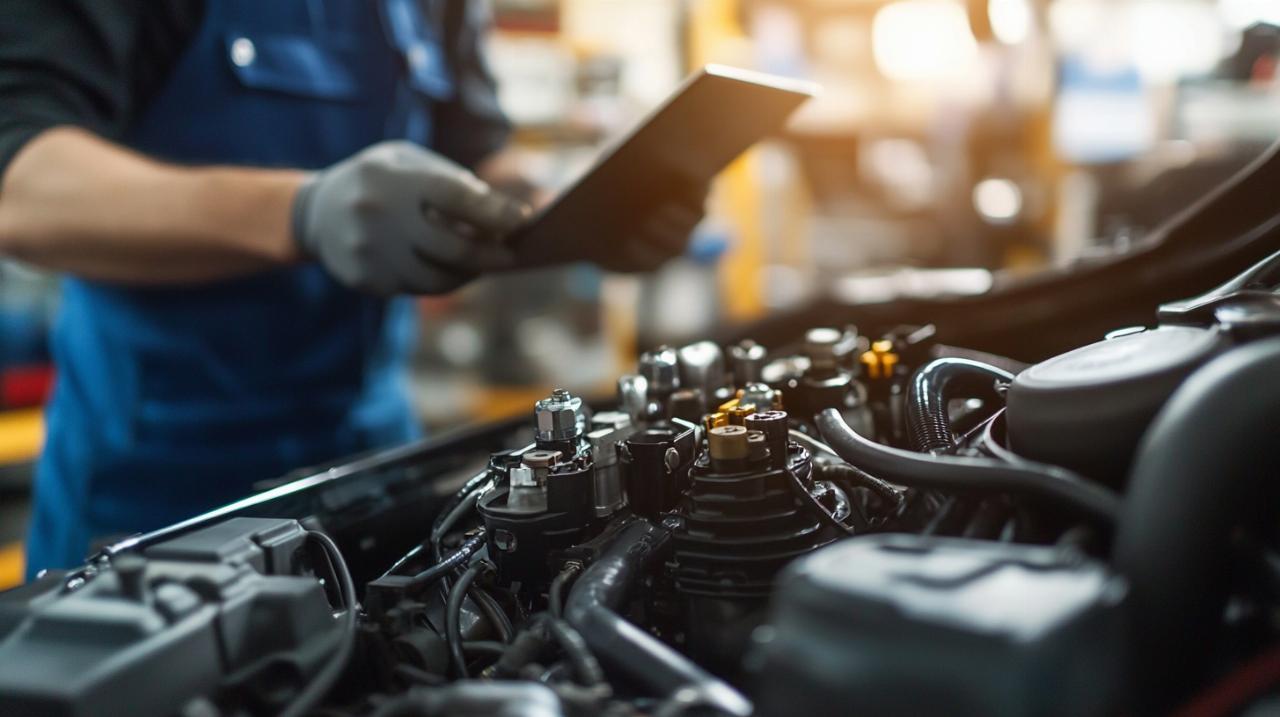
Preventative maintenance is the cornerstone of keeping a diesel engine in top condition, and regular inspections of the glow plugs and relay timer should be part of any comprehensive service schedule. While the lifespan of glow plugs can vary depending on driving conditions and engine design, they typically last between 80,000 and 100,000 miles. It is generally advisable to have them inspected around the 80,000-mile mark or whenever you experience starting difficulties. During an inspection, a professional mechanic can test the resistance of each glow plug using a multimeter, checking for signs of wear or failure. The relay timer should also be tested for continuity to ensure that it is properly activating the glow plugs. Wiring and connections should be inspected for corrosion or damage, as these can interfere with the electrical signals and cause intermittent faults. Regular maintenance practices, such as using quality fuel, ensuring the battery is in good condition, and avoiding excessive cranking during cold starts, can help extend the life of both the glow plugs and the relay timer. For owners of European vehicles such as Audi, BMW, Mercedes-Benz, MINI Cooper, and Volkswagen, it is particularly important to seek out specialists who are familiar with the intricacies of these systems. German car specialists, in particular, have the expertise and diagnostic tools required to accurately identify and address glow plug timer relay issues, ensuring that your vehicle remains reliable and efficient throughout its service life.
Replacement Costs and Factors for Glow Plugs and Relay Timers
Price variations across different makes and engine types
The cost of replacing glow plugs and relay timers can vary significantly depending on the make and model of your vehicle, as well as the specific engine type. On average, you can expect to pay around £212 for glow plug replacement, including both parts and labour, though this figure can fluctuate based on several factors. For instance, replacing glow plugs on an Audi might cost approximately £198, while a Ford could set you back around £240. Mercedes-Benz owners might see costs in the region of £228, whereas Renault drivers could find more competitive rates at around £186. Toyota vehicles tend to be on the lower end of the spectrum at roughly £175, while Vauxhall models may cost closer to £230. These price variations are influenced by the complexity of the engine design, the accessibility of the glow plugs, and the cost of the components themselves. European diesel engines, particularly those from premium brands like BMW, Mercedes, and Audi, often require specialist tools and knowledge for glow plug replacement, which can drive up labour costs. Additionally, if the relay timer also needs replacing, this will add to the overall expense. It is worth noting that attempting to replace glow plugs without the proper tools and expertise can lead to damage, so professional installation is strongly recommended. The investment in quality parts and skilled labour will pay dividends in the long run, as properly functioning glow plugs and relay timers contribute to improved fuel economy, reduced emissions, and a longer engine lifespan.
Comparing Quotes from Local Garages and Mobile Mechanics
When faced with the need for glow plug or relay timer replacement, it is prudent to obtain quotes from several sources to ensure you are receiving fair value for the service. Local garages, particularly those specialising in European vehicle repair or diesel engine maintenance, can offer competitive pricing and the benefit of hands-on expertise. Many workshops provide loaner cars or shuttle services to minimise the inconvenience of being without your vehicle, and some even offer after-hours drop-off for added flexibility. Mobile mechanics, such as those operating under the RAC Mobile Mechanics banner, bring the workshop to your doorstep, which can be particularly convenient for minor repairs or diagnostics. These services are often highly rated, with many receiving excellent reviews on platforms like Trustpilot. When comparing quotes, it is important to consider not only the headline price but also what is included in the service. Does the quote cover a comprehensive inspection of all glow plugs and the relay timer? Are any additional diagnostic tests or wiring inspections included? Will the mechanic also check the battery and other related components to ensure that the root cause of the problem is addressed? By asking these questions and obtaining detailed quotes, you can make an informed decision and avoid unpleasant surprises. Regular car maintenance, including timely inspections and replacements of glow plugs and relay timers, is absolutely vital for keeping your diesel engine running like a dream, and investing in quality service from reputable providers will ensure that your vehicle remains dependable for years to come.